2025 Top Packaging Roll Film Trends Innovations and Market Insights
As the packaging industry continues to evolve, the trends shaping the future of Packaging Roll Film in 2025 are becoming increasingly evident. With innovations in materials, sustainability, and technology driving significant changes, industry experts are closely examining how these developments will impact market dynamics.
John Smith, a renowned expert in the Packaging Roll Film sector, states,
"The future of Packaging Roll Film is not just about functionality, but also about creating a more sustainable and consumer-friendly approach."
This insight underscores the pivotal role that advancements in packaging solutions will play in meeting the growing consumer demand for eco-friendly options.

In this dynamic landscape, key trends such as the rise of biodegradable films, advancements in printing technology, and the use of smart packaging are set to redefine traditional norms. Packaging Roll Film manufacturers are actively exploring innovative materials that not only enhance product protection but also minimize environmental impact. As businesses adapt to these trends, understanding market insights becomes crucial for stakeholders aiming to remain competitive.
As we delve into the developments shaping the Packaging Roll Film industry, this report will illuminate the most impactful trends and innovations, offering valuable insights for businesses looking to strategically navigate the evolving market landscape. Embracing these changes will not only ensure compliance with emerging regulations but also fulfill the growing consumer preference for sustainable packaging solutions.
Emerging Materials in Packaging Roll Films for 2025
The packaging industry is on the brink of innovation as we approach 2025, with emerging materials in packaging roll films leading the charge. These advancements are driven by the increasing demand for sustainable and eco-friendly solutions.
 Biodegradable polymers, such as polylactic acid (PLA) and polyhydroxyalkanoates (PHA), are gaining traction due to their ability to decompose naturally, providing an attractive alternative to traditional petroleum-based materials. This shift not only caters to environmentally conscious consumers but also aligns with global sustainability goals, promoting responsible consumption and production practices.
Additionally, advancements in nanotechnology are revolutionizing the development of packaging roll films. Incorporating nanomaterials can enhance the mechanical strength and barrier properties of films, ensuring longer shelf life and better protection for products. Innovations like the use of nanoclays or metallic nanoparticles have shown promising results in reducing the permeability of gases and moisture, which is crucial for perishable goods.
 As these new materials roll out, we can expect significant changes in the efficiency and performance of packaging solutions, ultimately transforming the market landscape by 2025.
Sustainability Trends in Roll Film Production and Usage
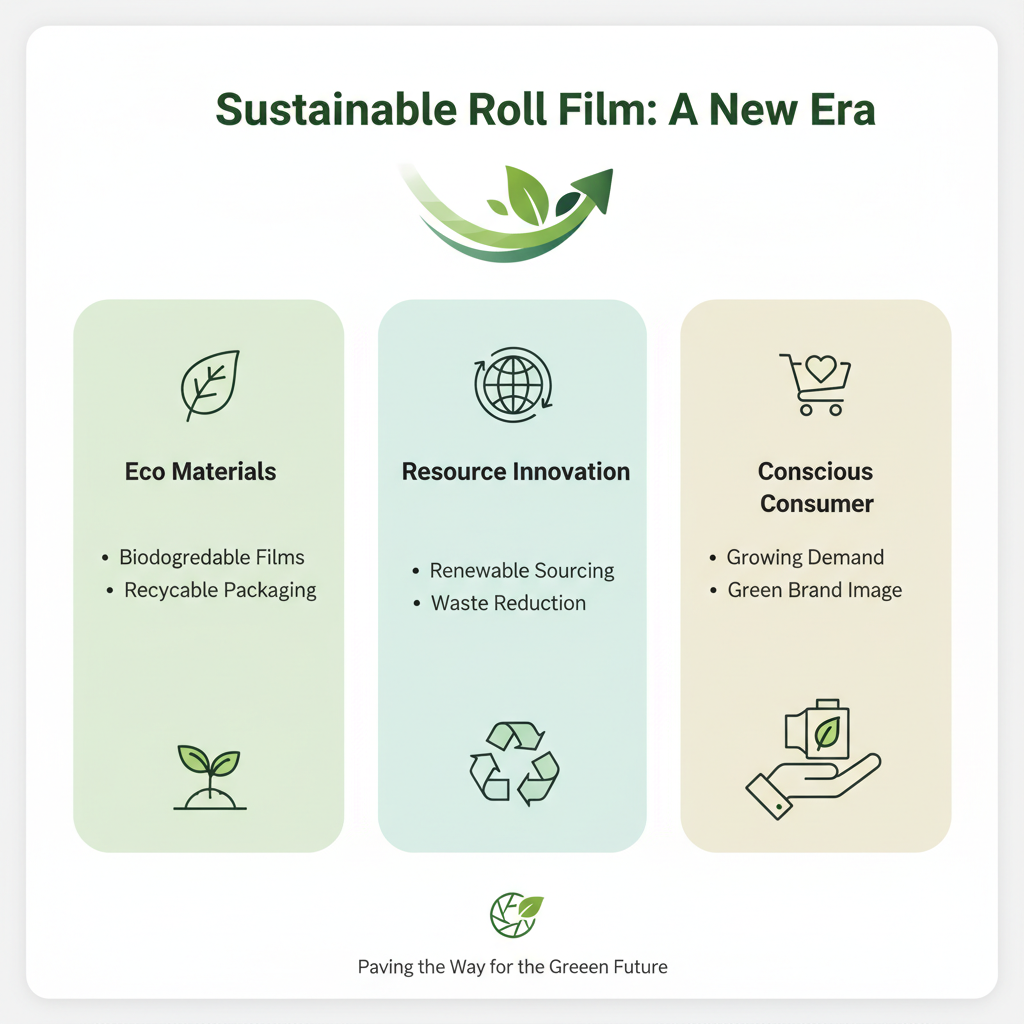
The evolving landscape of roll film production is increasingly shaped by sustainability trends. As consumer awareness grows regarding environmental impact, manufacturers are prioritizing eco-friendly materials. Biodegradable and recyclable films are becoming staples, with innovations in sourcing renewable resources that minimize waste. This shift not only addresses environmental concerns but also meets the demands of a more conscientious consumer base, paving the way for brands to enhance their green credentials.
Furthermore, advancements in production techniques are facilitating more sustainable practices. Technologies such as solvent-free processing and energy-efficient manufacturing methods are being implemented to reduce the carbon footprint associated with roll film production. Supply chain transparency is also gaining traction, allowing companies to disclose the sustainability of their materials and processes. This trend is further reinforced by regulatory pressures and consumer preferences, urging the industry to adopt practices that support circular economies. As the demand for sustainable packaging continues to rise, the adoption of innovative roll film solutions will play a crucial role in shaping the future of packaging.
Technological Innovations Shaping the Future of Packaging Films
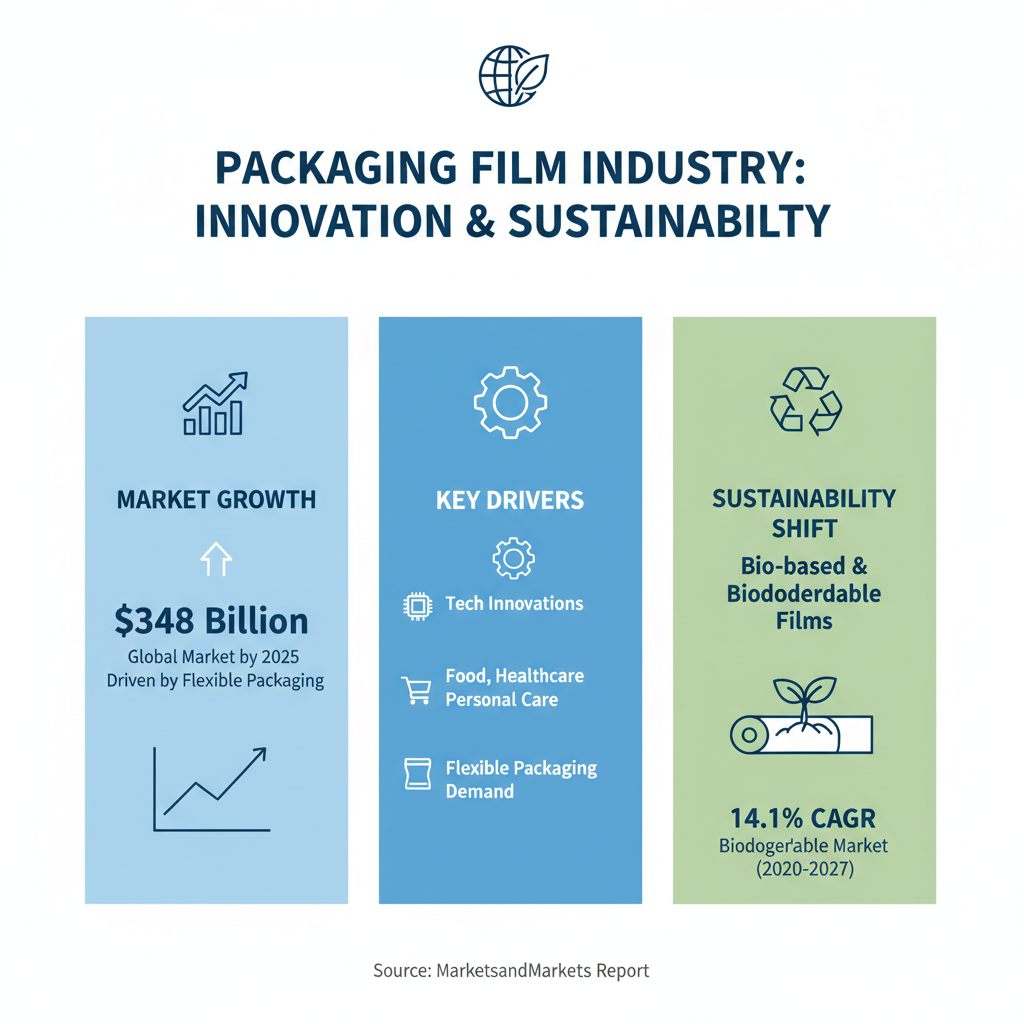
The packaging film industry is on the brink of significant transformation, driven by technological innovations that enhance performance and sustainability. As per the recent report by MarketsandMarkets, the global packaging film market is projected to reach approximately $348 billion by 2025, propelled by increasing demand for flexible packaging solutions across various sectors, including food, healthcare, and personal care. One of the most notable trends is the rise of bio-based and biodegradable films, which are increasingly favored for their environmental advantages. Research indicates that the biodegradable packaging materials market is expected to grow at a compound annual growth rate (CAGR) of 14.1% from 2020 to 2027, underscoring the shift towards sustainable packaging.
Furthermore, innovations in polymer technology and film extrusion processes are expanding the capabilities of packaging films. Advanced functionalities like improved barrier properties, enhanced durability, and customizability are enabling brands to protect products more effectively while also attracting consumer attention with vibrant designs. A report by Grand View Research highlights that the demand for high-barrier films, particularly those utilizing nanotechnology, is set to surge due to their ability to extend shelf life and reduce food waste. As companies increasingly adopt these cutting-edge solutions, the packaging film industry is not just evolving; it is actively reshaping consumer expectations and environmental responsibility in the marketplace.
Market Demand and Consumer Preferences Influencing Roll Film Design
The global roll film packaging market is witnessing transformative shifts, heavily influenced by escalating market demand and evolving consumer preferences. According to industry insights, the market for roll films is projected to experience substantial growth, driven primarily by innovations in sustainable packaging solutions and enhanced product functionalities. As consumers become more environmentally conscious, the demand for recyclable and biodegradable materials is rising, prompting manufacturers to adapt their roll film designs accordingly.
Furthermore, the surge in home delivery services and e-commerce has heightened the need for efficient and protective packaging. Reports indicate that the roll film sector is set to expand with a compound annual growth rate (CAGR) of approximately 4.5% through 2025. This trend underscores the importance of flexible packaging that not only meets the functional requirements but also aligns with consumer expectations for sustainability and convenience. As brands pivot towards personalized packaging experiences, the integration of smart technologies into roll film design is also gaining traction, reflecting a broader shift towards innovation in the industry.
2025 Top Packaging Roll Film Trends Innovations and Market Insights
Global Market Insights and Growth Projections for Packaging Films in 2025
The global market for packaging films is poised for remarkable growth by 2025, with various trends shaping the future of the industry. According to a report by Grand View Research, the packaging films sector is expected to reach a value of USD 54 billion, growing at a compound annual growth rate (CAGR) of approximately 5.1% from 2023 to 2025. This expansion is driven by increasing demand for sustainable packaging solutions, as consumers and companies alike shift towards eco-friendly materials.
One significant trend influencing the market is the rising popularity of biodegradable and recyclable films. As outlined in a study by Smithers Pira, the market for sustainable packaging is set to grow at a CAGR of 8.5%, highlighting the urgency for businesses to adapt to eco-conscious consumer preferences. Additionally, advancements in technology, such as the development of high-barrier films, are enhancing product shelf-life and reducing food waste, further propelling growth.
Tips: When looking to invest in packaging films, consider conducting thorough market research to identify emerging trends in sustainability. Engaging with suppliers who prioritize innovation in materials can provide a competitive edge. Lastly, staying updated on regulatory changes regarding packaging standards will ensure compliance and bolster brand reputation.