The pouch plastic bag industry is rapidly evolving. According to Sarah Johnson, a renowned expert in sustainable packaging, "The future of pouch plastic bags lies in innovation." This remark captures the essence of current trends.
Innovative designs and materials are at the forefront for 2026. Brands aim to enhance functionality while being eco-friendly. For example, biodegradable pouch plastic bags are gaining ground. Consumers care deeply about sustainability, pushing brands to rethink their strategies. The right choice matters.
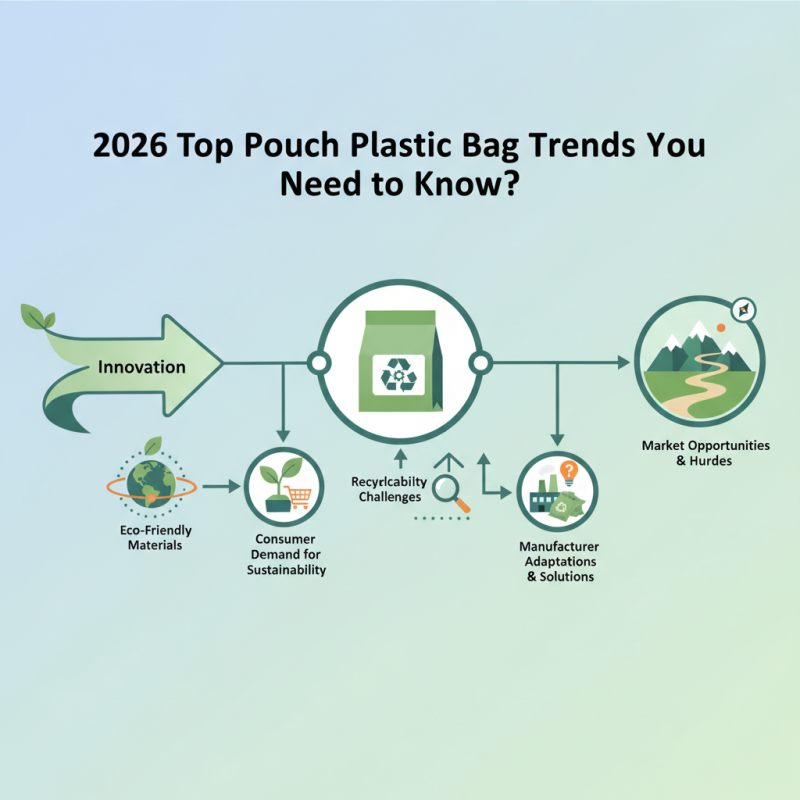
However, challenges still exist. Many pouch plastic bags are not recyclable yet. Manufacturers must address this issue to meet consumer expectations. Reflecting on these trends is essential. The pouch plastic bag market is a landscape of opportunities and hurdles, requiring continuous adaptation.
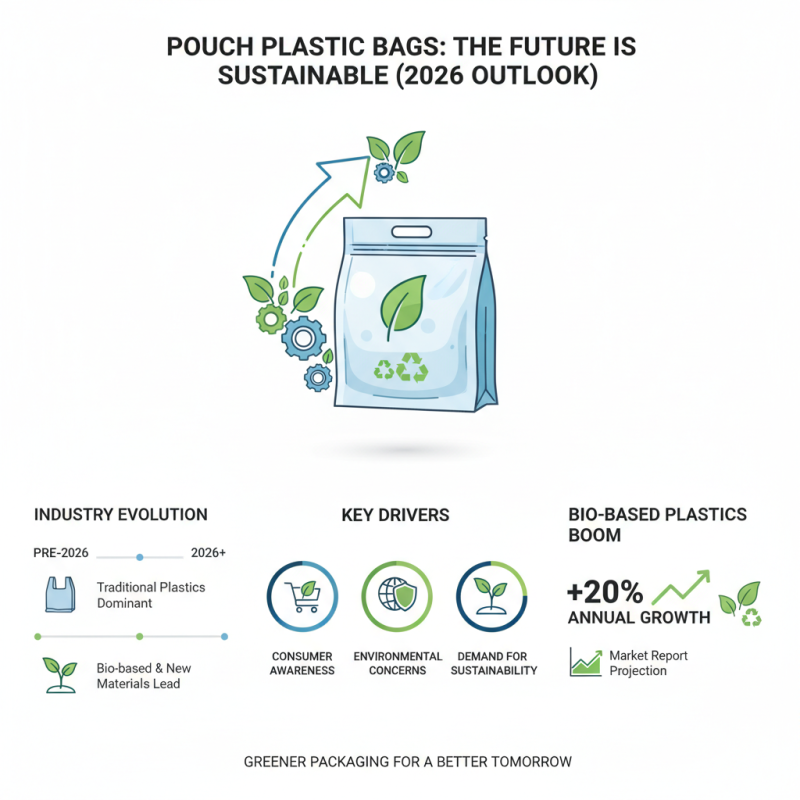
The pouch plastic bag industry is rapidly evolving, especially as we approach 2026. Emerging materials are leading this transformation, reflecting a strong demand for sustainability. According to a recent market report, bio-based plastics are projected to grow by 20% annually. This trend is driven by consumer awareness and environmental concerns.
Companies are exploring innovative materials like compostable films and recycled plastics. These alternatives are not just eco-friendly but also perform effectively. For example, using PLA (polylactic acid) can reduce carbon emissions by 70% compared to traditional plastics. Yet, challenges remain in the production and scalability of these materials.
Tips: Consider the importance of assessing material sources. Firms should conduct thorough lifecycle analyses to determine the true impact of new materials. It’s crucial for manufacturers to stay informed about innovations in material technology. Balancing sustainability with functionality will be key in 2026. As we adapt, experimentation will lead to improvements and better solutions.

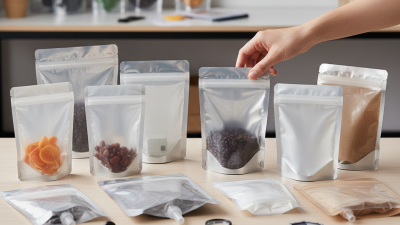
The pouch plastic bag market is evolving rapidly. Innovative design features are at the forefront of this transformation. Consumers are increasingly drawn to bags that blend functionality with aesthetics. For instance, resealable zippers are gaining popularity, offering convenience for users. These bags prevent spillage and keep products fresh. However, the durability of zippers can vary, leading to concerns.
Another exciting trend is the use of eco-friendly materials. Brands are exploring biodegradable options to cater to environmentally conscious consumers. This shift reflects a collective responsibility towards sustainability. Yet, sourcing these materials can sometimes be challenging. The performance of biodegradable bags may not always match traditional plastics. This discrepancy raises questions for consumers and manufacturers alike.
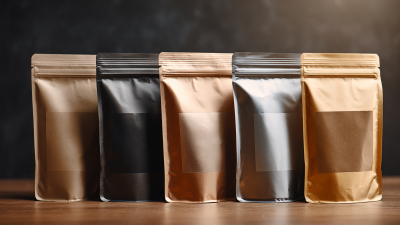
Additionally, custom designs are becoming a norm. Unique shapes and vibrant colors attract attention on store shelves. These creative touches enhance brand visibility but may compromise functionality. Some users find it hard to open creatively designed pouches. This highlights the need for a balance between eye-catching designs and practical use. As trends develop, continuous feedback is vital to address these challenges.
Sustainability is becoming essential in packaging. Pouch plastic bags are evolving to meet this demand. Manufacturers focus on using biodegradable materials. These materials break down naturally, reducing waste in landfills. Many bags now use recycled plastics as well. This approach lowers the reliance on virgin materials.
However, the journey toward sustainability isn’t perfect. Some biodegradable options still take a long time to decompose. Pouch designs may lack resealability, which can lead to more waste. It is crucial for consumers to choose wisely. Awareness of what materials are truly sustainable is vital.
Innovative solutions are emerging. Many brands are exploring plant-based alternatives. Research continues to find new ways to improve the lifespan of these bags. Collaboration between manufacturers and environmentalists can drive positive change. As the industry evolves, consumers play a critical role in demanding better options.
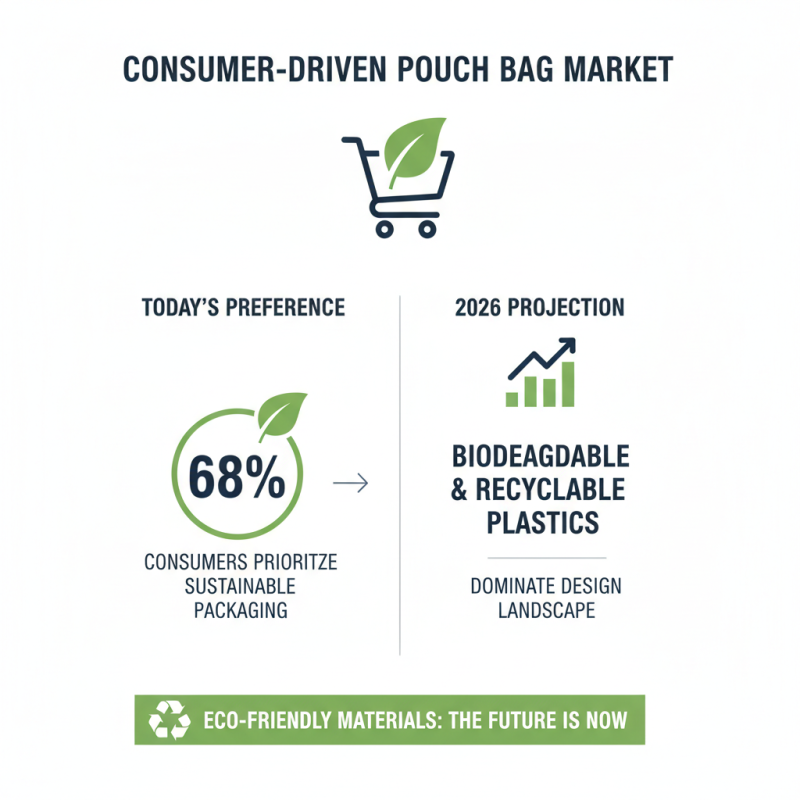
Consumer preferences are shaping the pouch bag market in significant ways. Recent industry reports indicate that 68% of consumers prioritize sustainable packaging options. This is driving brands to adopt eco-friendly materials. In 2026, biodegradable and recyclable plastics are projected to dominate the pouch bag design landscape.
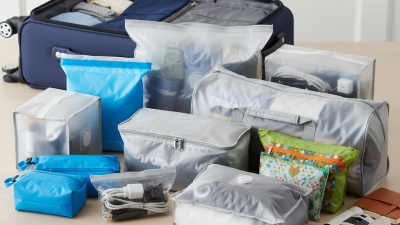
Moreover, functionality is a key concern for modern consumers. About 55% of shoppers want convenience. This demands innovative designs that are easy to open, resealable, and portable. Pouch bags now incorporate features like spouts and tear notches. These additions reflect a growing trend towards user-friendly packaging.
However, not all designs resonate with consumers. Some find zipper pouches confusing. Others struggle with bulkiness. Consumer feedback reveals a desire for more versatile solutions. As brands navigate these preferences, they must embrace both creativity and consumer input.
Regulatory changes are reshaping the pouch plastic bag industry. The rise in environmental awareness has led to stricter regulations. Reports from packaging industry analysts indicate that 75% of consumers prefer eco-friendly packaging options. This shift is prompting brands to rethink their material choices.
New laws are emerging worldwide. Countries are banning single-use plastics. In Europe, recent regulations are tightening the use of plastic pouches. This can lead to a significant market impact. According to recent studies, the eco-friendly pouch market is expected to grow by 8% annually. This pace reflects shifting consumer preferences and regulatory landscapes.
There's a need for adaptation. Some companies struggle to comply with these new standards. This can hinder innovation. Many packaging firms are now investing in biodegradable materials. However, challenges remain in production scalability. Industry experts suggest that collaboration between companies may be vital. Without it, navigating these changes will be difficult. The pouch plastic bag sector is at a crossroads.
| Trend | Impact of Regulatory Changes | Consumer Preferences | Sustainability Initiatives |
|---|---|---|---|
| Biodegradable Materials | Increased regulations on single-use plastics | Higher demand for eco-friendly options | Focus on reducing carbon footprint |
| Reusable Pouches | Legislation encouraging reusable products | Preference for long-lasting products | Investment in recyclable materials |
| Customization and Branding | Compliance with labeling laws | Increased importance of brand identity | Use of sustainable inks and materials |
| Smart Packaging | Regulations on smart labels and QR codes | Interest in enhanced consumer engagement | Promoting transparency in sourcing |
| Compact Design | Adherence to size regulations | Consumer preference for space-saving solutions | Focus on minimizing waste in packaging |