Top Benefits of Pp Bag Packing for 2026 Trends?
In the evolving landscape of packaging trends, Pp Bag Packing is becoming increasingly prominent. Industry expert John Smith emphasizes, "The future of packaging lies in innovation and sustainability." This notion is critical as we move towards 2026.
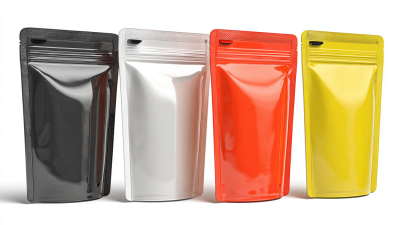
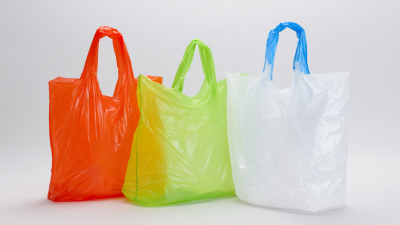
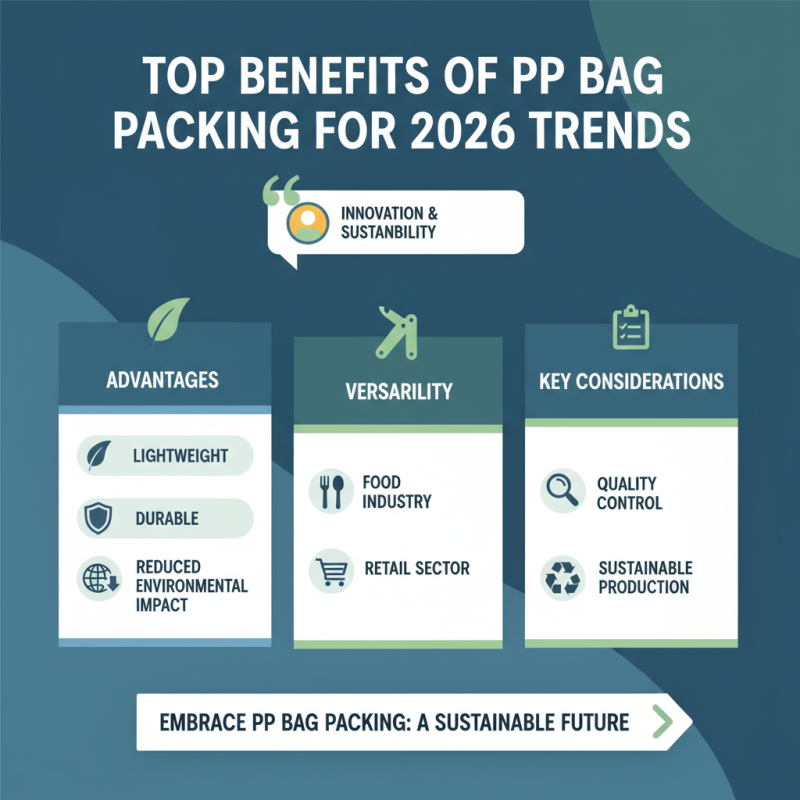
Pp Bag Packing offers numerous advantages that cater to both businesses and consumers. These bags are lightweight yet durable, reducing transportation costs and environmental impact. Their versatility allows them to serve multiple industries, from food to retail. However, companies must remain vigilant about quality and sustainability in their production processes.
While Pp Bag Packing shows promise, challenges remain. Some businesses still rely on traditional materials and methods, which could hinder progress. The shift to eco-friendly options requires effort and commitment. As we approach 2026, embracing Pp Bag Packing is not just a trend; it’s a necessary step towards a sustainable future.
Key Features of PP Bags in 2026 Packing Solutions
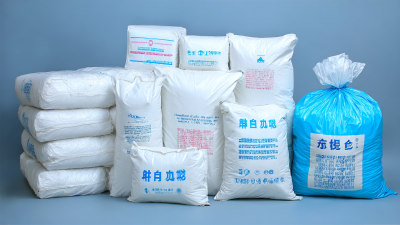
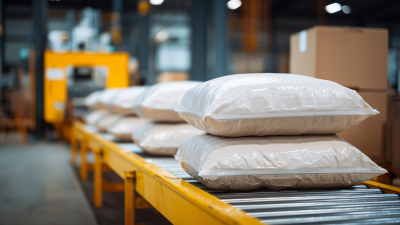
As we move toward 2026, the use of PP bags in packing solutions is gaining traction. These bags provide excellent durability, making them ideal for various applications. Made from polypropylene, they are lightweight yet strong. This unique combination allows them to hold heavy loads without tearing, which is essential in many packaging scenarios.
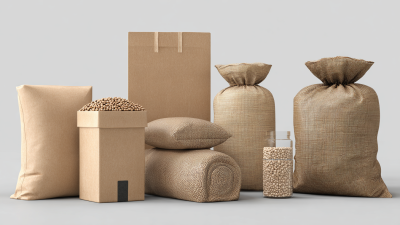
A key feature of PP bags is their versatility. They can be easily customized in size, thickness, and color. Businesses appreciate the ability to tailor these bags to fit specific products. Additionally, they can be printed upon, allowing for branding opportunities. However, one must consider the environmental impact, as not all users recycle efficiently.
The flexibility in design also leads to challenges. Many users may not fully understand the optimal use of PP bags. This can result in waste or improper disposal. It's vital to educate consumers about these bags' lifecycle. Fostering awareness can enhance the effectiveness of PP bags in sustainable practices. The goal is to find a balance—utilizing their benefits while addressing potential drawbacks.
Top Benefits of PP Bag Packing for 2026 Trends
| Benefit |
Description |
Environmental Impact |
Cost Efficiency |
| Durability |
PP bags are tear-resistant and can hold heavy items. |
Lower risk of waste due to durability. |
Reduces replacement costs. |
| Lightweight |
Easier to handle and transport. |
Less fuel consumption during transportation. |
Lower shipping costs. |
| Recyclable |
Made from recyclable materials, promoting sustainability. |
Contributes to reduction of plastic waste. |
Potential for cost savings through recycling programs. |
| Customizable |
Can be produced in various sizes, colors, and designs. |
Increased brand visibility without excess material waste. |
Cost-effective marketing solution. |
| Water Resistance |
Protects contents from moisture. |
Enhances product shelf life. |
Reduces the need for additional packaging materials. |
Sustainability Benefits of PP Bag Packing for the Future
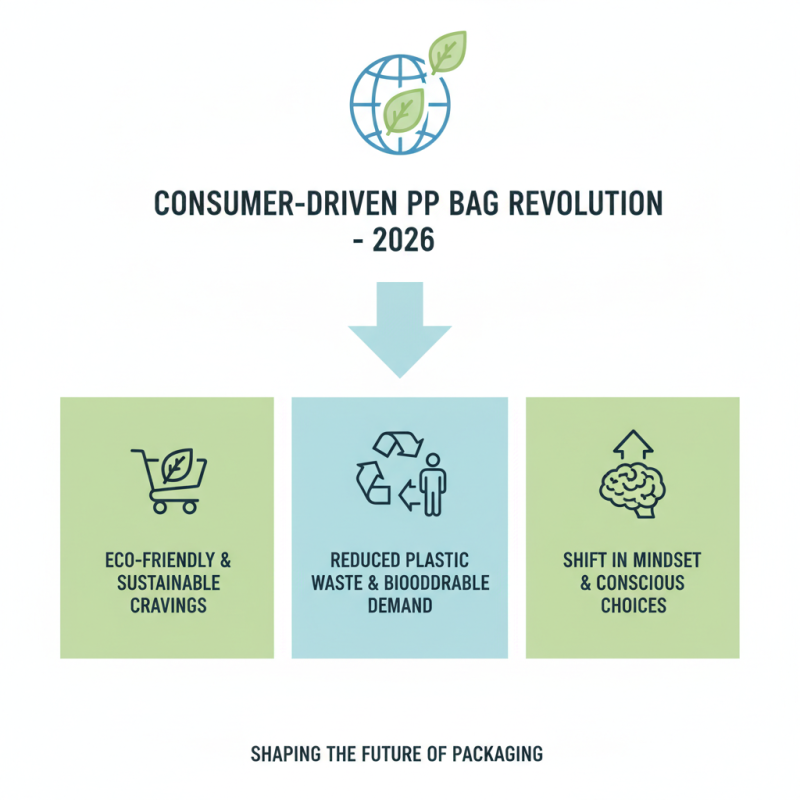
Plastic pollution is a pressing concern today. PP bags offer sustainable solutions for packing needs. They are durable, recyclable, and reusable. With environmental consciousness rising, using PP bags will be a key trend moving forward.
Sustainability benefits are profound. PP bags reduce the need for more resource-intensive materials. They require less energy to produce compared to alternatives. In 2026, consumers will likely prioritize eco-friendly options. This shift will reshape packaging industries. Companies may face pressure to adopt more sustainable practices.
When using PP bags, consider these tips: opt for recyclable options when possible. Check for local recycling guidelines to ensure proper disposal. Also, choose bags made from recycled materials. Continuous reflection on our choices can guide better future practices. Sustainability isn't just a trend; it's essential for our planet.
Cost-Effectiveness of PP Bags Compared to Alternative Packaging
PP bags have become a popular choice for packaging. Their cost-effectiveness stands out in various industries. Compared to alternatives like paper or glass, PP bags often come at a lower price point. This feature is appealing for businesses looking to reduce expenses. They offer a lighter weight solution, saving on shipping costs.
However, the durability of PP bags must be considered. While they are puncture and tear-resistant, they may not be suitable for every product. Some items require sturdier packaging for protection. Additionally, environmental concerns surround their production and disposal. Many consumers are more conscious of sustainable practices now.
PP bags require careful evaluation in terms of usage. While they offer immediate financial benefits, their long-term impact is also essential. Companies might have to balance cost savings with ecological footprints. Understanding this can lead to better decisions in packaging strategies for 2026.
Top Benefits of PP Bag Packing for 2026 Trends
This bar chart illustrates the cost-effectiveness of polypropylene (PP) bags compared to alternative packaging options in different sectors. The Y-axis represents the cost per unit, while the X-axis displays various packaging types.
Trends Influencing the Adoption of PP Bags in Various Industries
The adoption of polypropylene (PP) bags is on the rise across various industries. This trend is shaped by increasing environmental concerns. Many businesses are seeking eco-friendly packaging solutions. PP bags are lightweight, durable, and recyclable, making them a popular choice.
In retail, PP bags have become essential. They reduce waste and promote sustainability. Consumers prefer these bags for their sturdiness. However, the challenge remains in educating customers about proper disposal methods. Many still throw these bags away, creating a cycle of waste. Innovations in biodegradable options are being explored. There’s a need for better communication regarding the environmental impact of our choices.
Food packaging is another area seeing a shift. PP bags are increasingly used for their moisture-resistant properties. This is vital for preserving freshness. Yet, the use of plastic in food packaging raises concerns. Ensuring food safety and minimizing plastic contamination is important. Continuous improvement is necessary to balance convenience with ecological responsibility. By focusing on education and innovation, industries can embrace PP bags with greater confidence.