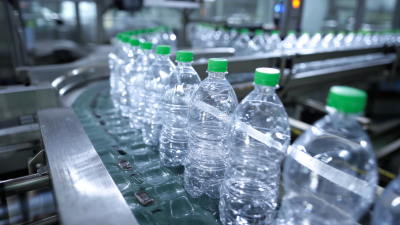
Why Choose Plastic Wrapper Packaging for Your Product Safety and Freshness?
In an increasingly competitive market, product safety and freshness are paramount for businesses aiming to meet consumer expectations. One effective solution that has gained traction is Plastic Wrapper Packaging. This innovative packaging option not only serves as a protective barrier against external contaminants but also plays a crucial role in prolonging the shelf life of various products. The versatility and adaptability of Plastic Wrapper Packaging make it an ideal choice for a wide range of industries, from food and beverages to cosmetics and pharmaceuticals.
The benefits of Plastic Wrapper Packaging extend beyond mere protection; it also enhances the visual appeal of products, attracting potential customers through vibrant designs and clear viewing of the contents. Furthermore, this type of packaging can be customized to fit specific product needs, ensuring that both functionality and aesthetics are addressed. As businesses navigate the complexities of supply chains and consumer demands, choosing Plastic Wrapper Packaging can provide a sustainable and efficient solution that prioritizes product integrity while fostering brand loyalty.
Ultimately, the choice of packaging significantly impacts a product's success in the marketplace. By opting for Plastic Wrapper Packaging, companies can ensure the safety and freshness of their offerings, thus establishing a strong reputation and fostering lasting relationships with consumers.
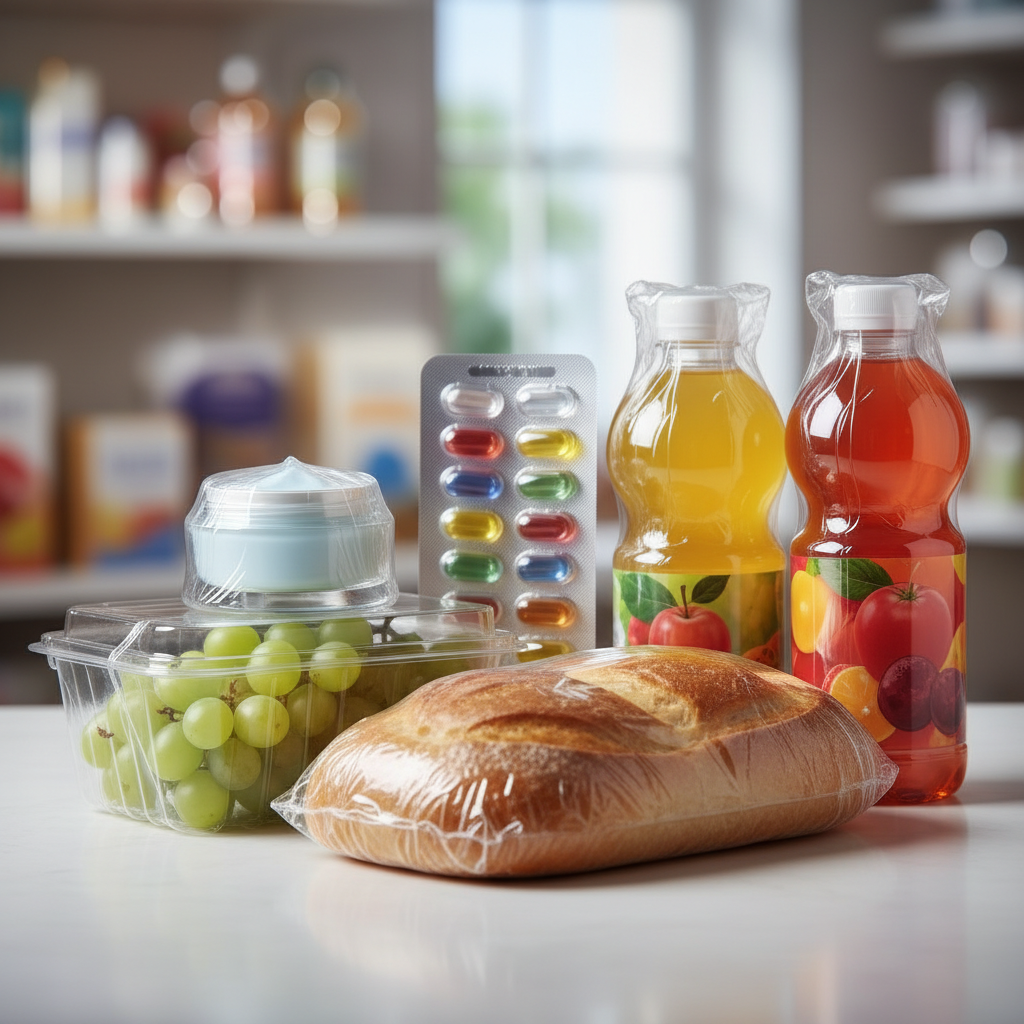
Advantages of Plastic Wrapper Packaging for Product Safety
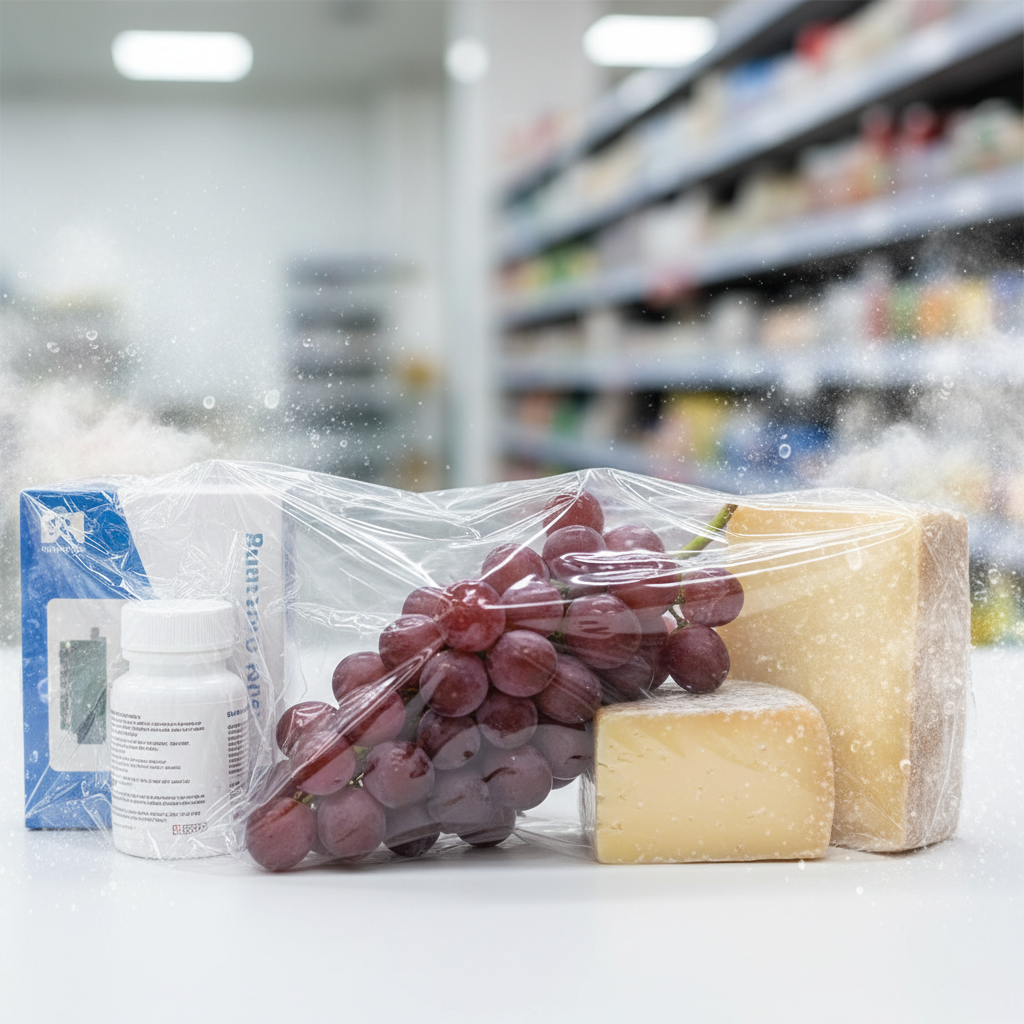
Plastic wrapper packaging has become an essential choice for ensuring product safety and maintaining freshness. One of the primary advantages of plastic wrap is its ability to create a strong barrier against environmental factors. This type of packaging effectively protects products from moisture, dust, and contaminants, which can compromise quality and safety. By minimizing exposure to air and humidity, plastic wraps help prevent spoilage and extend shelf life, making them ideal for a variety of food items and sensitive products.
Moreover, plastic wrapper packaging is lightweight and flexible, which contributes to cost-effective shipping and handling. Its adaptability allows it to conform to different shapes and sizes, providing a snug fit that enhances protection during transit. Additionally, the transparency of plastic wraps offers a visual appeal, allowing consumers to see the product inside while ensuring its integrity is maintained. These factors collectively contribute to a safer and fresher experience for end-users, solidifying plastic wrappers as a top choice in packaging solutions.
Impact of Plastic Wrapper Packaging on Freshness Preservation
Plastic wrapper packaging has become a pivotal element in maintaining the freshness of perishable products. According to a report by Smithers Pira, flexible packaging, including plastic wraps, can extend the shelf life of products by up to 50%. This is primarily due to the barrier properties of plastic, which inhibit the penetration of moisture, oxygen, and harmful bacteria. By significantly reducing exposure to these elements, plastic wrappers ensure that food remains fresh and safe for consumers, leading to enhanced product quality.
Furthermore, a study published in the Journal of Food Science found that proper packaging using plastic wraps can help to retain the sensory qualities of food, including taste, texture, and color. The technology used in modern plastic films, such as Modified Atmosphere Packaging (MAP), allows for a controlled environment inside the wrapper that optimizes the gas composition, thereby slowing down the respiration rate of fresh produce. This not only prolongs the freshness but also contributes to reducing food waste, which is a growing concern globally, with over one-third of food produced for human consumption lost or wasted each year, as reported by the Food and Agriculture Organization (FAO).
Eco-Friendly Innovations in Plastic Wrapper Packaging
The shift towards eco-friendly innovations in plastic wrapper packaging has revolutionized the way products are stored and delivered. Companies are increasingly adopting biodegradable and recyclable materials that minimize environmental impact while ensuring product safety and freshness. These innovations reduce reliance on traditional plastics and offer sustainable alternatives that not only protect goods but also appeal to environmentally conscious consumers.
Tips: When choosing plastic wrapper packaging, consider options made from bio-based materials, such as plant-based plastics. These alternatives often have similar barrier properties to conventional plastics while being less harmful to the environment. Additionally, look for certifications that indicate the materials meet environmental standards.
Moreover, advancements in technology have led to the development of enhanced sealing and barrier properties in eco-friendly wrappers. This ensures that products remain fresh for longer periods, reducing food waste and extending shelf life. Innovations like these are crucial in a world increasingly focused on sustainability and responsible consumption.
Tips: Always check for the recyclability of your packaging materials, as proper disposal methods can significantly impact the environmental footprint. Implementing reusable packaging solutions can also further enhance sustainability efforts while maintaining product integrity.
Cost-Efficiency of Using Plastic Wrapper Packaging
When considering packaging options, cost-efficiency often plays a crucial role in decision-making. According to a recent report by Smithers Pira, the global flexible packaging market is expected to reach $300 billion by 2024, with plastic wrappers accounting for a significant portion of that growth. This surge is largely due to the economic advantages associated with plastic wrapper packaging, which allows manufacturers to reduce both production and transportation costs. The lightweight nature of plastic reduces shipping expenses, ultimately benefiting both producers and consumers.
In addition to its cost advantages, plastic wrapper packaging also offers considerable savings through extended shelf life. Research from the Food and Agriculture Organization indicates that approximately one-third of all food produced globally is wasted, much of which can be attributed to insufficient packaging. Plastic wrappers help maintain product freshness, thereby reducing spoilage and waste. Studies have shown that products packaged in plastic can have a shelf life increase of up to 70%, significantly lowering costs related to returns and unsold goods. Prioritizing plastic wrapper packaging not only optimizes supply chain economics but also contributes to sustainability by mitigating waste.
Why Choose Plastic Wrapper Packaging for Your Product Safety and Freshness? - Cost-Efficiency of Using Plastic Wrapper Packaging
| Characteristic |
Benefit |
Cost-Effectiveness |
Environmental Impact |
| Lightweight |
Reduces shipping costs and handling risks |
Lower transport fees |
Can be recycled, depending on type |
| Moisture Barrier |
Helps keep products fresh |
Increases shelf life, reducing waste |
Impact varies by disposal methods |
| Durability |
Protects products from damage |
Decreases loss during transport |
Recyclable options available |
| Versatility |
Suitable for a wide range of products |
Flexible production solutions |
Can be sourced sustainably |
| Cost-Effective Production |
Low manufacturing costs |
Higher profit margins |
Efforts to reduce plastic use are ongoing |
Consumer Preferences and Trends in Plastic Wrapper Usage
Consumer preferences in packaging have shifted significantly, emphasizing the importance of safety, freshness, and sustainability. In today's market, plastic wrapper packaging stands out for its ability to provide a barrier against moisture, air, and contaminants, preserving the quality and extending the shelf life of products. As consumers become increasingly aware of their purchasing choices, the demand for packaging that maintains product integrity while being convenient and cost-effective is on the rise.
Moreover, trends indicate a growing favor for recyclable materials, as consumers seek environmentally friendly options. The plastic packaging market continues to evolve, with innovations incorporating post-consumer recycled plastics. By 2025, the market for this recycled plastic is expected to reach substantial milestones, showcasing a shift towards sustainable practices. This alignment with consumer values not only enhances brand reputation but also promotes a healthier planet, making plastic wrapper packaging a wise choice in the current market landscape.
Consumer Preferences for Plastic Wrapper Packaging
This chart illustrates the consumer preferences regarding various factors influencing their choice of plastic wrapper packaging. Convenience ranks highest, followed by freshness and durability as significant considerations.