How to Choose the Right Pouch Plastic Bag for Your Needs
Choosing the right pouch plastic bag can significantly impact the functionality and presentation of your products. These versatile bags are widely used across various industries, offering convenience and protection for a range of items, from food to retail goods. However, with numerous styles, sizes, and materials available, selecting the perfect pouch plastic bag requires careful consideration of your specific needs.
In this guide, we will explore essential factors to keep in mind when choosing pouch plastic bags. Whether you are looking for strength, visibility, or sustainability, understanding the properties of different pouch plastic bags will help you make an informed decision that aligns with your operational requirements. We will also discuss how to balance practicality and aesthetics to enhance your brand image while ensuring product safety. By the end, you will be equipped with the knowledge to select the ideal pouch plastic bag that not only meets your expectations but also elevates your packaging strategy.
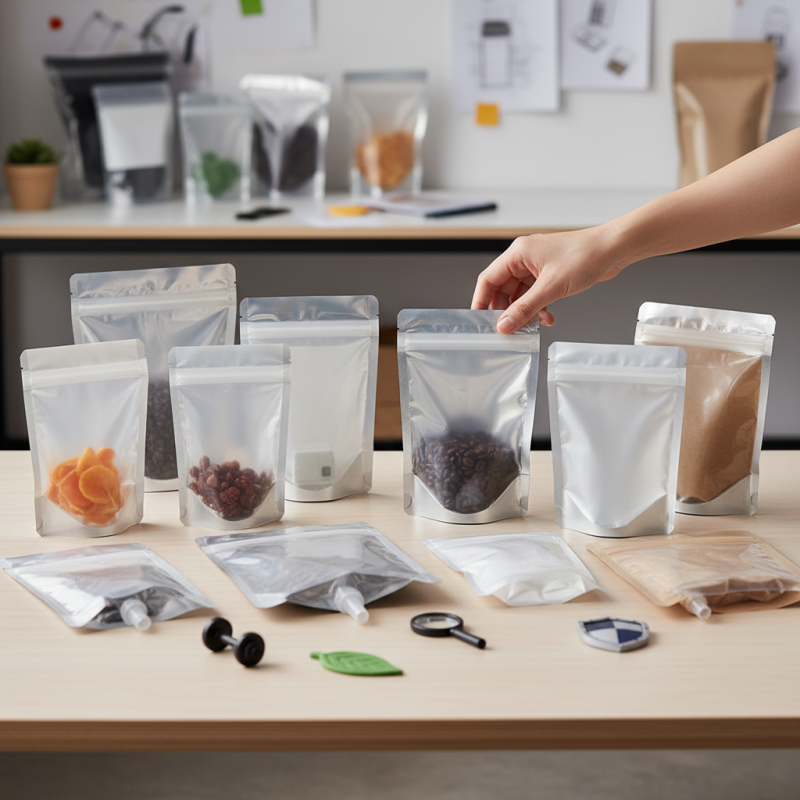
Understanding Different Types of Pouch Plastic Bags Available
When selecting the right pouch plastic bag, it's crucial to understand the various types available in the market to ensure they meet your specific needs.
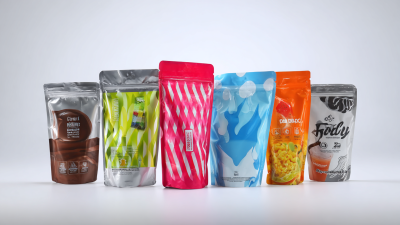
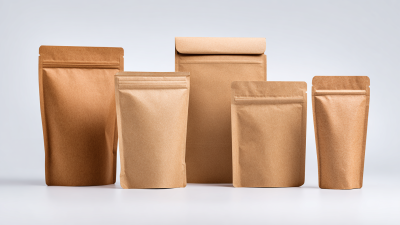
Pouch plastic bags typically come in several forms, including stand-up pouches, flat pouches, and gusseted pouches.
Stand-up pouches are designed to stand upright on shelves, making them ideal for products that benefit from visibility and ease of access.
According to a report by Smithers Pira, the global flexible packaging market is projected to grow to $300 billion by 2024, indicating a strong trend towards using innovative pouches in packaging solutions.
Flat pouches, on the other hand, are often used for smaller items or products that require a sleek, minimalist design.
They are ideal for packaging snacks, powders, and other lightweight products where bulkiness needs to be minimized.
Gusseted pouches provide extra space thanks to their expandable sides, making them suitable for bulkier items like pet food or granular products.
Research from Allied Market Research indicates that the demand for sustainable packaging solutions within flexible packaging, particularly pouches, is increasing, with consumers increasingly favoring biodegradable and environmentally friendly materials.
Understanding the specifics of each pouch type not only aids in selection but also impacts consumer perception and product appeal.
The right packaging can enhance product shelf life and protect against moisture and contamination, which are critical factors for retaining product integrity.
With the flexible packaging segment continuously evolving, keeping up with these options will ensure that businesses make informed choices.
Identifying Your Specific Packaging Needs and Requirements
Choosing the right pouch plastic bag starts with a thorough understanding of your specific packaging needs and requirements. Various industries demand different features from their packaging solutions, making it crucial to identify the primary functions your pouch must serve.
According to a 2022 report from the Flexible Packaging Association, flexible packaging like plastic pouches accounted for over 19% of the total packaging market in the U.S.
Illustrating a growing preference for versatile and efficient solutions. Consider factors such as the product type, storage conditions, and shelf life, as these will guide your selection of materials, sizes, and sealing methods.
Moreover, sustainability is increasingly becoming a significant concern for both consumers and manufacturers. A recent study by Smithers revealed that around 55% of consumers prefer products with eco-friendly packaging, which has pushed brands to seek recyclable or biodegradable pouch options. Understanding your environmental footprint and target audience can help in selecting a bag that resonates with consumer values. Factors like barrier properties for moisture and light, printability for branding, and the ease of handling also play critical roles in determining the ideal pouch plastic bag for your specific requirements.
Evaluating Material Options: Pros and Cons of Common Plastics
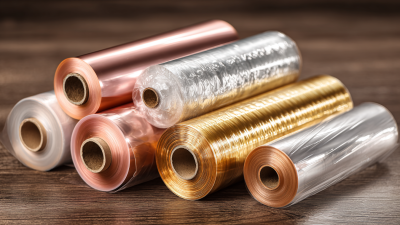
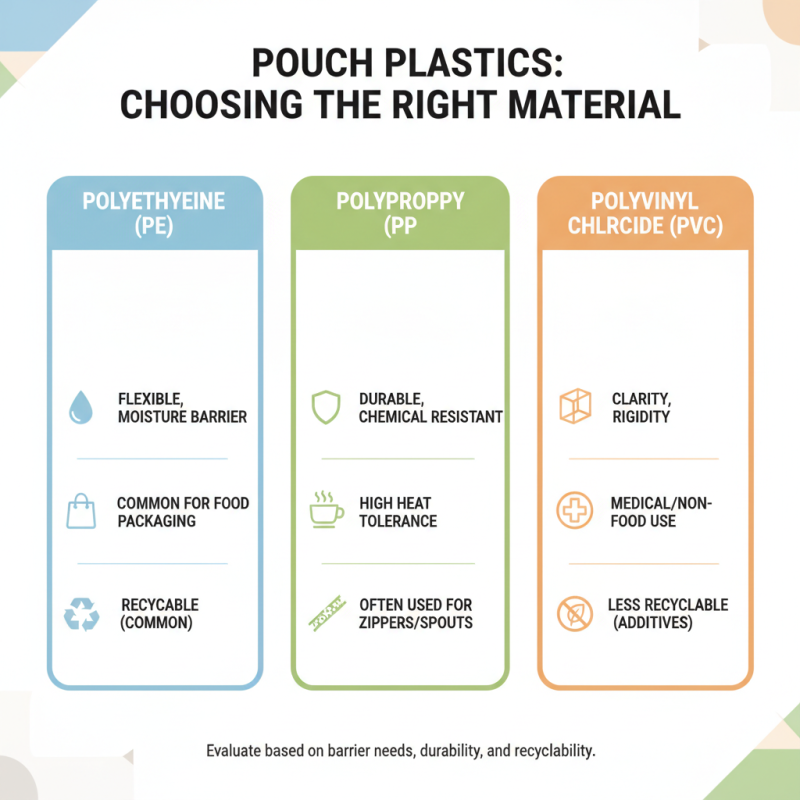
When selecting the right pouch plastic bag, it’s essential to evaluate the various material options available. Common plastics used in pouch manufacturing include polyethylene (PE), polypropylene (PP), and polyvinyl chloride (PVC). Each of these materials has its own set of advantages and disadvantages that can significantly impact your choice.
Polyethylene, for instance, is known for its flexibility and durability, making it a popular choice for food packaging. It is moisture-resistant, helping to preserve the contents if used properly. However, it may not be suitable for high-temperature applications. On the other hand, polypropylene offers better clarity and is often used for more visual packaging, making it ideal for retail products. While it is more rigid than polyethylene, it also has a higher melting point, which can be advantageous in certain situations. Conversely, polyvinyl chloride is less commonly used for food applications due to its environmental concerns, although it does provide excellent chemical resistance and strength.
Ultimately, the choice of material will depend largely on the intended use of the pouch. Assessing the specific needs such as storage conditions, type of contents, and environmental impact can help you make a more informed decision. Each type of plastic comes with trade-offs that can affect performance, so understanding these factors is crucial for selecting the ideal pouch plastic bag for your needs.
Analyzing Size and Closure Mechanisms for Optimal Functionality
When selecting a pouch plastic bag, understanding the size and closure mechanisms is crucial for ensuring its effectiveness in storing and protecting your items. Size is the first consideration; it should match the dimensions of the products you intend to package. A bag that is too small may cause damage or spillage, while an overly large bag can lead to excess material waste and inadequate protection of the contents. It’s important to measure your products accurately and choose a bag that provides a snug fit, enhancing both presentation and functionality.
Equally important is the type of closure mechanism employed in the pouch bag. Various options, such as zip-top seals, heat seals, and press-to-seal closures, offer differing advantages. Zip-top closures are convenient for items that need to be accessed frequently, while heat seals can create a tamper-evident barrier for products requiring long-term storage. Press-to-seal closures provide an easy and efficient way to seal items without additional equipment. Evaluating these closure options based on how often you will access the contents and the level of security needed will help you choose the most suitable pouch plastic bag for your specific requirements.
Comparison of Pouch Plastic Bag Sizes and Closure Mechanisms
This chart illustrates the number of closure mechanism options available for different pouch plastic bag sizes. Understanding the variety of closures can help you select the most suitable bag for your specific needs.
Choosing Sustainable Alternatives and Considerations for Recycling
When selecting pouch plastic bags, it is essential to consider sustainable alternatives that not only serve your packaging needs but also minimize environmental impact. Many options are now available, including biodegradable and compostable bags. These materials break down over time and are designed to impact the ecosystem less than traditional plastics. Research the different types available and opt for those made from renewable resources or that have been certified by relevant environmental standards.
Tips for selecting sustainable pouches include looking for certifications that confirm the material's eco-friendliness and ensuring that the bags are designed for recycling. Consider the size and thickness of the pouch as well; lightweight options often use less material, while multi-layer pouches can offer better protection and shelf life for your products. It’s also worth checking if the packaging supplier has a take-back program that encourages recycling, helping to close the loop on plastic use.
Make sure to always read the recycling instructions on the packaging, as not all plastic bags are recyclable in standard curbside collections. Many communities have specific guidelines for recycling plastic bags, and knowing these can help ensure that your choices contribute positively to the recycling stream. By choosing the right pouch and following proper disposal practices, you can greatly reduce your ecological footprint while still meeting your packaging requirements.
How to Choose the Right Pouch Plastic Bag for Your Needs - Choosing Sustainable Alternatives and Considerations for Recycling
| Feature |
Description |
Sustainability Option |
Recyclability |
| Material |
Polyethylene, Laminated, Biodegradable options |
Biodegradable bags, Recycled material bags |
Check local recycling guidelines |
| Size |
Available in various sizes (Small, Medium, Large) |
Choose smaller sizes to reduce waste |
Most sizes recyclable, check guidelines |
| Closure Type |
Zipper, Heat-sealed, Open-top |
Zipper bags may be reusable |
Check for different recyclable parts |
| Thickness |
Measured in mils; thicker bags are sturdier |
Opt for thinner bags to minimize plastic use |
Varies; confirm with local facilities |
| Uses |
Food packaging, Retail, Storage |
Consider reusable options for storage |
Many food bags are not recyclable |