How to Choose the Right Plastic Pouch Packaging for Your Products?
Choosing the right Plastic Pouch Packaging can significantly impact your product's success. Jane Doe, a seasoned expert in the industry, emphasizes, "The right packaging can elevate your brand image." This statement reveals the importance of selection. Packaging goes beyond protection; it draws customers' attention.
Many products use Plastic Pouch Packaging for its versatility. This choice offers flexibility in design and functionality. A well-designed pouch can enhance shelf appeal. However, not all pouches suit every product. Size, material, and seal type matter greatly.
Consider your product's unique needs. Factors like product type and shelf life should influence your choice. It's easy to overlook these details. Failure to pay attention can result in increased waste and dissatisfied customers. Reflect on your packaging options carefully.
Understanding Different Types of Plastic Pouch Packaging Available in the Market
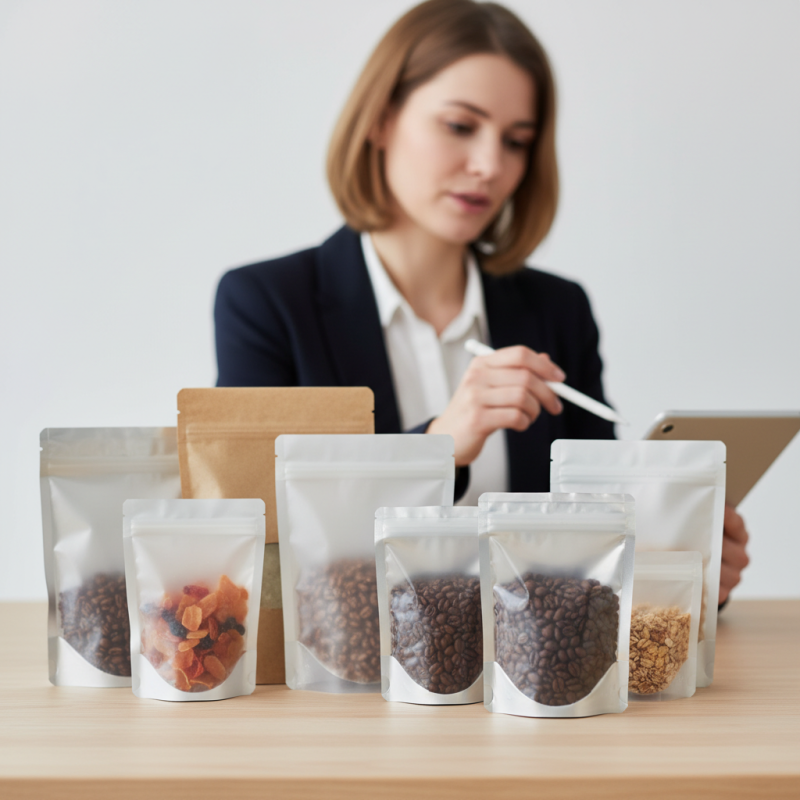
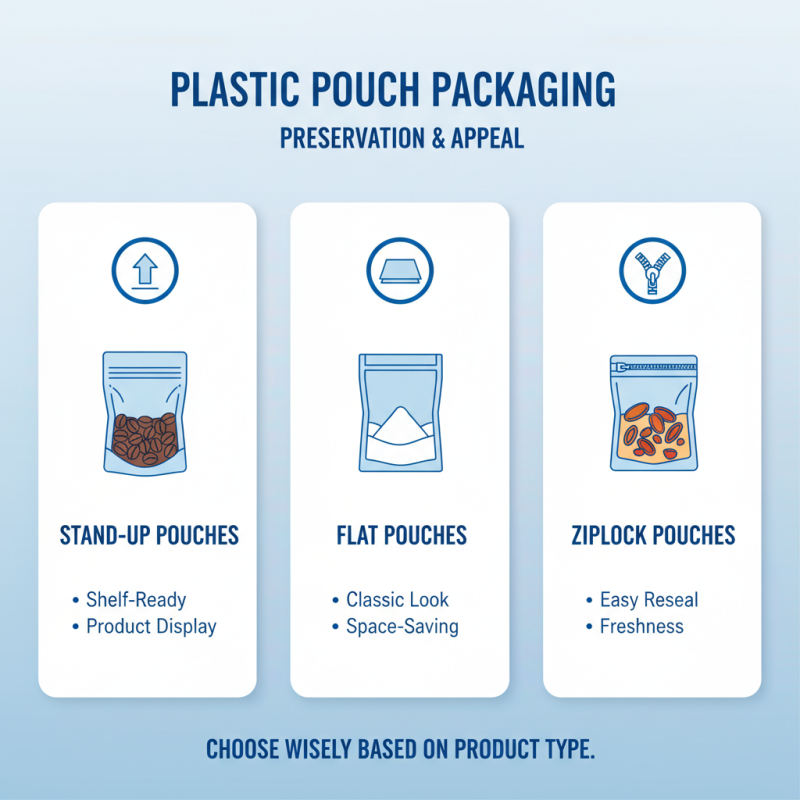
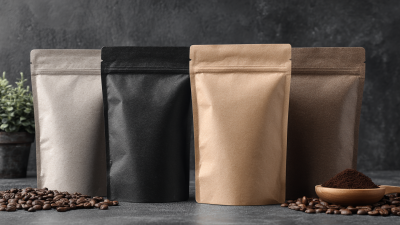
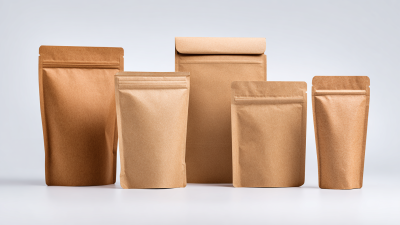
Choosing the right plastic pouch packaging is essential for product preservation and appeal. Various types of pouches are available, each serving a unique purpose. Stand-up pouches are popular for their ability to stand on shelves. Flat pouches offer a classic look and consume less space. Ziplock pouches ensure easy resealing and freshness. Each type has advantages, and the choice depends on the product.
When selecting the right pouch, consider the material. Some pouches are made with lightweight plastic. Others may use thicker alternatives, providing greater durability. This choice can impact shipping costs and shelf life. It's crucial to assess product needs effectively. Sometimes, what seems perfect at first may not hold up under pressure.
Tips for selecting the best pouch: test different samples. Experiment with various sizes and materials. Don’t settle for the first option. Gauge how well the packaging reflects your brand's identity. The right pouch should not only protect the product but also enhance its appeal. Remember, packaging is the first touchpoint for customers. Make it count.
Evaluating Material Composition: Key Properties and Their Impact on Product Quality
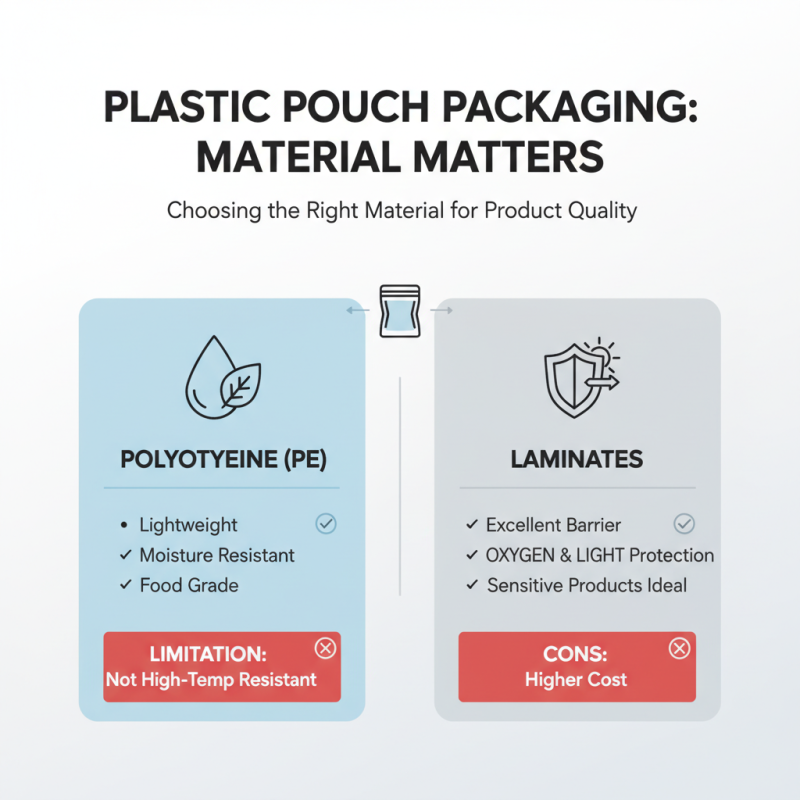
When choosing plastic pouch packaging, material composition plays a vital role. Different materials have unique properties that affect product quality. For instance, polyethylene is lightweight and offers moisture resistance. It's suitable for food items but may not endure high temperatures. On the other hand, laminates provide excellent barrier properties. They protect against oxygen and light, ideal for sensitive products. However, they can be costlier.
Consider durability. Some pouches tear easily, leading to potential product loss. While thinner pouches are cheaper, they may not withstand rough handling. It's essential to assess thickness and tensile strength. Additionally, transparency can impact consumer appeal. A clear pouch showcases the product, but opacity may be necessary for protecting contents from light.
Lastly, think about sustainability. Biodegradable options are emerging but can be less resilient. Evaluating the trade-offs between eco-friendliness and product protection is essential. Each choice has implications, and it’s crucial to reflect on these decisions.
Assessing Size and Shape: Ensuring Optimal Fit for Product Protection and Visibility
Choosing the right size and shape for plastic pouch packaging is crucial. An optimal fit provides protection and visibility for your products. The flexible nature of pouches allows manufacturers to customize dimensions to match their offerings, which can enhance consumer appeal. According to a recent industry report, 70% of shoppers consider packaging design in their purchasing decisions.
An ideal pouch should snugly fit the product, minimizing movement inside. Loose packaging can lead to damage and deformation, which is a significant concern for fragile items. Research indicates that products packaged in well-fitted pouches are less prone to spoilage. However, there is a fine line between snug and overly tight. Overly tight pouches can cause stress to the contents and lead to breakage.
Moreover, visibility plays a key role in customer attraction. Transparent or windowed pouches allow the product to shine and attract attention on the shelf. In fact, studies show that 60% of consumers prefer to see the product before purchase. It's important to assess the pouch's shape and design. A unique silhouette can differentiate your product but might also complicate manufacturing. This balance between innovation and practicality requires thoughtful consideration.
How to Choose the Right Plastic Pouch Packaging for Your Products? - Assessing Size and Shape: Ensuring Optimal Fit for Product Protection and Visibility
| Product Type |
Pouch Size (inches) |
Pouch Shape |
Material Type |
Ideal Use Case |
| Snack Food |
6 x 9 |
Stand-up Pouch |
PET/PE |
Resalable packaging for chips |
| Cosmetics |
4 x 6 |
Flat Pouch |
Metalized Film |
Single-use samples for lotions |
| Coffee |
8 x 12 |
Quad Seal Pouch |
Foil |
Bulk coffee sales |
| Frozen Food |
7 x 10 |
Bottom Gusset Pouch |
Polypropylene |
Freezer storage for vegetables |
| Pet Food |
10 x 14 |
Stand-up Pouch |
Foil Laminate |
Packaging for dry pet food |
Analyzing Printing and Branding Options: Enhancing Shelf Appeal with Custom Design
When considering packaging, design plays a pivotal role. Custom printing can enhance brand visibility significantly. A study by Smithers Pira indicates that branded packaging can boost product sales by up to 30%. This shows how visuals impact consumer choices.
Distinctive graphics and colors attract attention. In a crowded market, uniqueness is key. However, designers often face challenges in balancing aesthetics with functionality. Packaging must protect products while also looking appealing. The right materials and finishes can create a striking look, but considerations around cost exist. Brands often struggle with budget constraints and desired quality.
Investing in eco-friendly packaging, while offering visual appeal, can also yield positive results. Sustainable designs resonate with consumers today. According to a report from Nielsen, 73% of millennials are willing to pay more for sustainable products. Brands might hesitate to switch to eco-friendly materials due to operational costs. Yet, overlooking this could mean missing out on a significant consumer base. The journey of designing effective packaging involves continuous evaluation and adaptation.
Impact of Custom Design in Plastic Pouch Packaging on Shelf Appeal
This chart illustrates the importance of various factors in enhancing shelf appeal through custom plastic pouch packaging design. Visual appeal and brand recognition are critical for attracting consumers, while product information and sustainability also play significant roles in consumer decision-making.
Considering Environmental Impact: Trends in Sustainable Plastic Packaging Solutions
When considering plastic pouch packaging, the environmental impact is crucial.
Sustainable solutions are trending as consumers demand eco-friendly options.
Biodegradable and recyclable materials are becoming more popular.
Brands are looking for ways to minimize waste and carbon footprints.
Tips: Choose pouches made from renewable resources.
Look for certifications that ensure environmental safety.
This choice may sometimes cost more, but it reflects commitment to sustainability.
Degradable materials are one area of improvement.
Not all biodegradable options break down effectively.
Some still linger in landfills. It's essential to research and understand your materials.
Tips: Test samples to see how pouches perform over time.
Verify the end-of-life process for your chosen materials.
This ensures your packaging aligns with your brand's values.