2026 How to Choose the Right Flat Bottom Pouch for Your Packaging Needs?
In the evolving world of packaging, choosing the right Flat Bottom Pouch is crucial. Industry data suggests that the flexible packaging market is projected to reach USD 300 billion by 2025, emphasizing this trend. Flat Bottom Pouches offer stability and support, making them ideal for various products. They allow for effective branding and shelf presence.
However, selecting the perfect pouch isn't simply a technical task. Companies must consider factors like product type, filling process, and end-user preferences. A poorly chosen pouch can lead to wasted materials, increased costs, and unhappy customers. Understanding material properties and barrier requirements is essential.
The growing popularity of eco-friendly options adds complexity. Sustainable materials are in demand, but they often come at higher costs. Balancing eco-friendliness with function is challenging. Brands must reflect on their choices and the long-term impact on the environment and consumer perception.
Understanding Flat Bottom Pouches: Features and Advantages
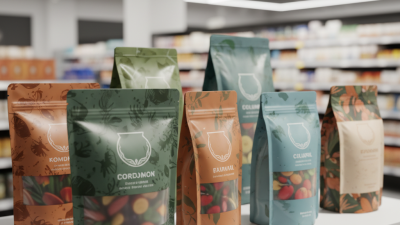
Flat bottom pouches have become increasingly popular for various packaging needs. They feature a unique design that allows them to stand upright. This design is not only visually appealing but also functional. The flat bottom provides stability, making it easy to fill and display products. Many businesses use these pouches for snacks, pet food, and other items.
One significant advantage of flat bottom pouches is their versatility. They can be made from various materials, including plastic and foil, providing airtight seals. This ensures that products remain fresh for longer periods. However, not all materials may suit every product. Evaluating the right material must consider factors like shelf life and packaging sustainability.
While flat bottom pouches offer many benefits, there are aspects to reflect on. The initial setup cost can be higher compared to traditional bags. Also, customizing the size may take longer than expected. Carefully assessing your packaging needs is crucial. It is vital to choose the right pouch that balances both functionality and cost.
Identifying Your Packaging Needs: Key Considerations
When selecting a flat bottom pouch for packaging, understanding your needs is crucial. Consider the product type. Is it food, cosmetics, or hardware? Different materials offer varying protection levels. Ensure the pouch's barrier properties match your product's requirements. For instance, food items often need moisture and oxygen barriers.
Next, think about size and shape. A mismatched size can lead to waste or damage. The pouch should fit your product snugly, preserving its integrity during storage and transit. Sometimes, a standard size won't suffice. Custom shapes might better suit unique items.
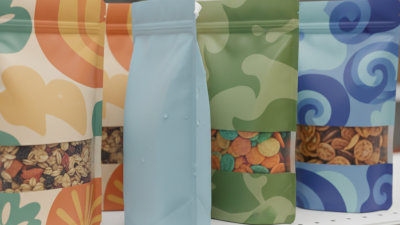
Visual appeal matters too. A well-designed pouch can attract customers. But, striking a balance between aesthetics and functionality can be tricky. Test designs with potential users. Their feedback can highlight flaws, helping refine your choice. Reflecting on these aspects ensures a practical and appealing packaging solution tailored to your needs.
Materials and Durability: Choosing the Right Composition
When selecting the right flat bottom pouch, materials and durability are crucial factors. Many options exist, each with unique properties.
Plastic, foil, and paper are popular choices, but how do they perform?
Plastic pouches are lightweight and flexible. They can resist moisture, making them ideal for snacks. However, they may not always offer the best barrier against light.
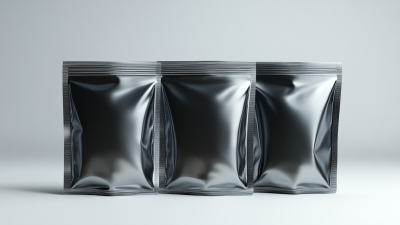
Foil pouches provide excellent protection from moisture, light, and oxygen. This can help preserve the freshness of the product inside. Yet, they can be heavier and less eco-friendly.
Consider the product's shelf life when deciding on the material.
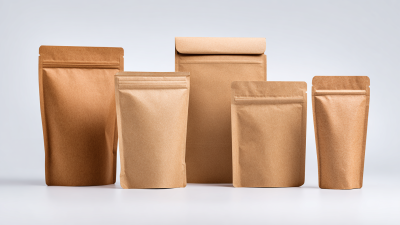
Paper options are biodegradable and visually appealing but may not offer the same durability.
It’s essential to reflect on your specific needs. Will this pouch be exposed to heat, cold, or humidity? Each scenario requires different material considerations.
Testing different options can be beneficial. Perhaps an unexpected choice works better than anticipated. Remember, the goal is to match the pouch’s material
with your product’s requirements for optimal results.
Customization Options: Design, Size, and Print
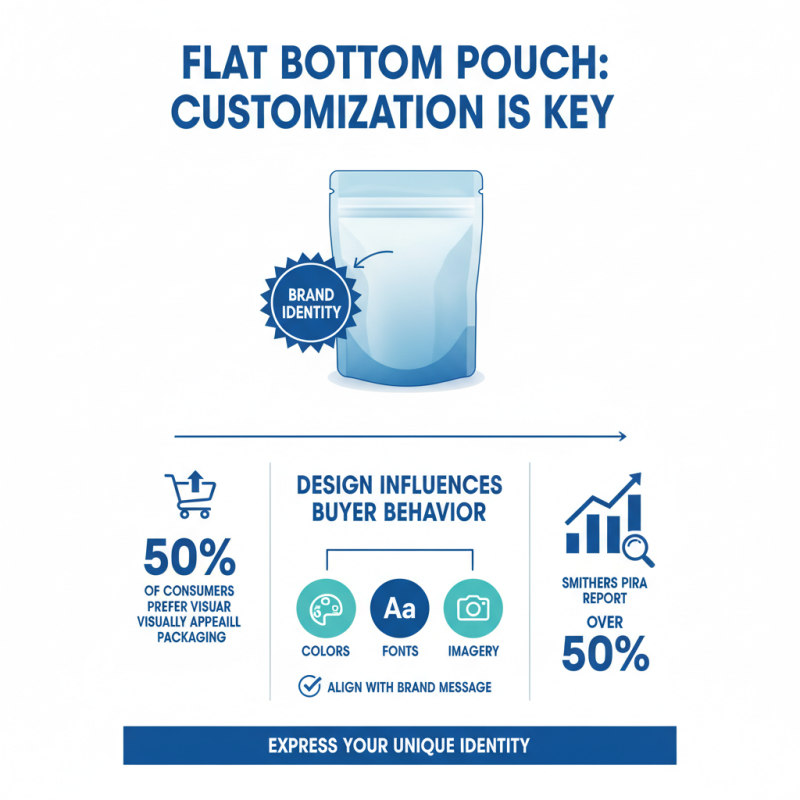
When it comes to selecting the right flat bottom pouch, customization is key. Design choices allow brands to express their unique identity. According to a recent report by Smithers Pira, over 50% of consumers favor packaging that is visually appealing and distinctive. This trend indicates that your design can significantly affect buyer behavior. Colors, fonts, and imagery should align with your brand message.
Consider size carefully. Flat bottom pouches come in various dimensions, suitable for products from snacks to liquids. A size that fits perfectly is essential. The right size can optimize shipping and storage, reducing costs. The same report indicates that improper sizing leads to 30% more waste in packaging materials.
**Tips:** Always request samples before committing. This ensures your design works on actual material. Test different sizes to find what best suits your product. It's important to reflect on the practicality of your packaging options. Even minor design flaws can make a big impact. A well-thought-out approach prevents costly mistakes down the line.
Sustainability in Packaging: Eco-Friendly Flat Bottom Pouches
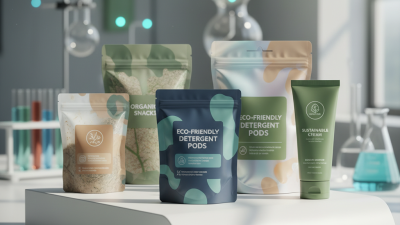
Sustainability is now a key consideration in packaging. Eco-friendly flat bottom pouches offer a solution. These pouches are made from materials that reduce environmental impact.
Biodegradable options are gaining popularity. They decompose naturally, unlike traditional plastics. However, many products still contain harmful additives. This raises questions about true eco-friendliness.
Choosing the right pouch isn’t always straightforward. It's essential to consider material sources and certifications. Some pouches may claim to be eco-friendly but lack transparency. Are they recyclable? Can they be composted? These are important inquiries for conscious consumers. The design of flat bottom pouches allows for better product visibility. They often stand upright, enhancing shelf appeal. Yet, their production can be energy-intensive.
Many manufacturers are striving for greener practices. Innovations in materials are emerging. Still, finding a balance between functionality and sustainability remains a challenge. Not all eco-friendly options provide the same level of durability. Packaging must protect contents adequately, without compromising the planet. Careful evaluation is crucial for making responsible choices.