Leave Your Message

How to Efficiently Pack Pp Bags for Shipping and Storage?

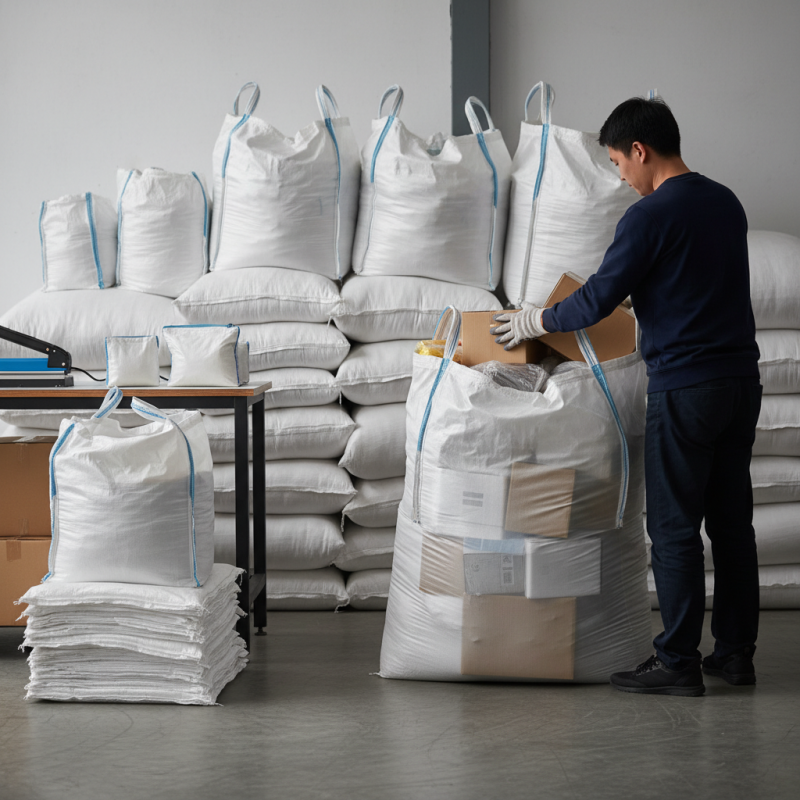
Efficient Pp Bag Packing is vital for successful shipping and storage. Proper packing not only protects your items but also saves space. When done right, you can avoid unnecessary costs and delays.

Choosing the correct size of Pp bags is essential. Oversized bags can lead to complications, while undersized bags might damage your products. Also, consider the type of items you are packing. Fragile objects need more care.

You should strive for a neat arrangement. Stacking items properly prevents movement during transit. However, achieving the perfect fit can be challenging. It's a skill that takes practice and reflection. Monitoring the outcomes of your packing techniques helps improve your methods.
How to Efficiently Pack Pp Bags for Shipping and Storage?

Efficient Pp Bag Packing: Understanding Material Properties and Specifications

How to Efficiently Pack Pp Bags for Shipping and Storage?

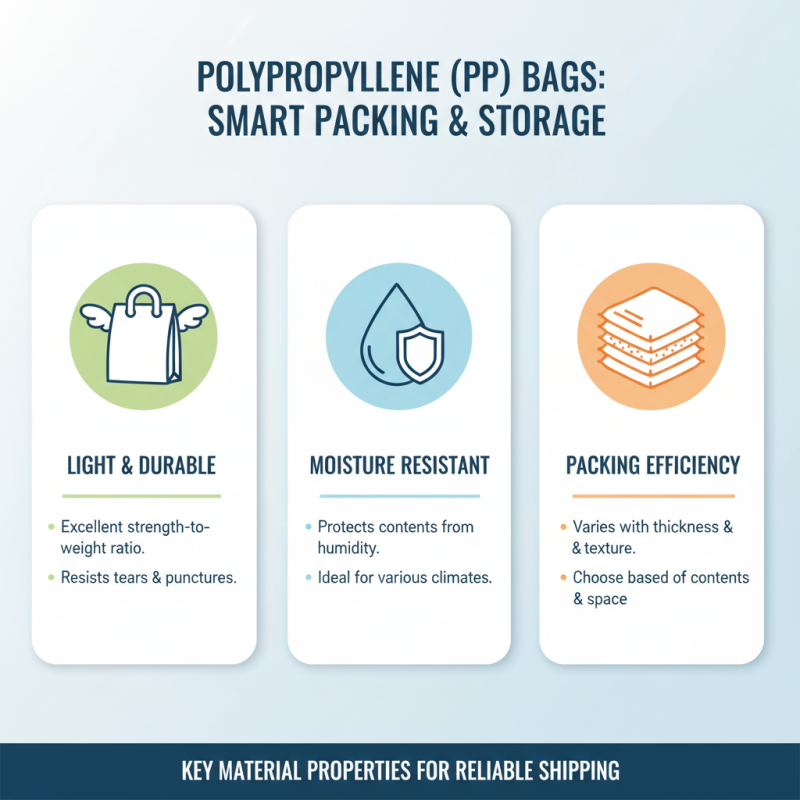
When packing polypropylene (PP) bags for shipping and storage, understanding the material properties is crucial. Polypropylene is lightweight yet durable, making it an excellent choice for a variety of items. Its resistance to moisture adds another layer of protection for products. However, not all PP bags are created equal. Different thicknesses and textures can affect how efficiently they can be packed.

Consider the size of the items. Bulky or irregularly shaped objects require more strategic packing. Sometimes, I found myself cramming items into bags, only to find they wouldn't seal properly. This can lead to damage during transport. It's essential to prioritize organization. Grouping similar items together makes the packing process smoother. Also, using the right bag size minimizes wasted space.

Before sealing the bags, double-check the closures. Strong seals prevent items from falling out. However, I've experienced issues with some seals not holding over time. Evaluate the sealing methods used and be open to experimentation. Keep in mind that the efficiency of packing can always be improved with some reflection on past experiences.
Optimizing Space: Techniques for Stacking and Arranging Pp Bags

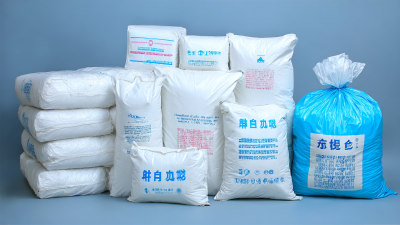
When packing pp bags for shipping or storage, optimizing space is crucial. Efficient stacking and arranging can drastically reduce shipping costs. According to industry reports, improper stacking can waste up to 30% more space. This can lead to increased transportation expenses and insufficient storage.

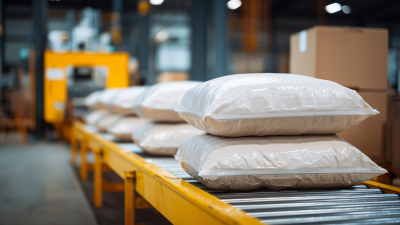
A common technique involves using a pallet for stacking. Aligning bags horizontally can create a stable base. Use shrink wrap to secure the load. This adds integrity and keeps the bags from shifting during transit. However, avoid overpacking. Some professionals stress that a well-supported stack retains shape better. Yet, it requires initial investments in materials. Finding the right balance is key.

Consider the height of your storage area. Sometimes, stacking too high can lead to collapse. Aim for a limit that allows accessibility while maximizing vertical space. Additionally, grouping similar items reduces the time needed for unpacking. Yet, it’s important to reflect on the type of bags used. Different materials can impact how they stack. These factors highlight the need for continuous evaluation when organizing space effectively.

How to Efficiently Pack Pp Bags for Shipping and Storage?

Packing Technique Space Optimization (%) Recommended Storage Method Notes
Flat Stacking 30% Shelves Easy access to bags
Vertical Stacking 50% Containers Maximizes height
Rolling Method 25% Bags Useful for travel
Tote Loading 40% Totes Easier to carry
Layered Packing 35% Boxes Stable for transport

Weight Considerations: Balancing Load for Transport Efficiency

When packing PP bags for shipping and storage, weight distribution is key. Ensure that heavier items are at the bottom of the stack. This setup prevents crushing lighter items and maintains stability during transit. Use uniform bag sizes to avoid awkward shapes. Irregularities can lead to wasted space and increased shipping costs.

Consider the total weight. Each bag should not exceed manageable limits. Overloading can strain workers and cause injuries. Some bags may rip or tear when too heavy. Keep bags within a comfortable weight range. This balance enhances transport efficiency and helps ensure safe handling.

Sometimes, we overlook the importance of load balancing. It can lead to unnecessary challenges. Reflecting on previous packing attempts may unveil issues. Evaluate what worked and what didn't. Learning from past experiences makes future packing more effective.

Best Practices for Sealing and Labeling Pp Bags for Shipments

When shipping or storing PP bags, proper sealing and labeling are crucial. Start by using high-quality tape to ensure a tight seal. Check each bag for punctures or weaknesses before packing. A sturdy seal prevents leaks and contamination. Use a heat sealer for a more durable closure. It provides a professional finish.

Labeling your PP bags is just as important. Make sure to use waterproof labels that resist fading. Clearly indicate the contents, weight, and destination. Include handling instructions if necessary. This helps prevent mix-ups during shipping. Avoid cluttering the label with too much information. Keep it simple and concise.

Tips: Always double-check labels before shipping. An incorrect label can lead to delays. Consider color-coding for different shipments. This small step can save time. Lastly, don’t forget to track your packages. Knowing their status reduces stress. Efficient packing not only protects your items but also enhances overall efficiency.

Efficient Packing Practices for PP Bags

Sustainability in Shipping: Reducing Waste with Pp Bag Packing Techniques

How to Efficiently Pack Pp Bags for Shipping and Storage?

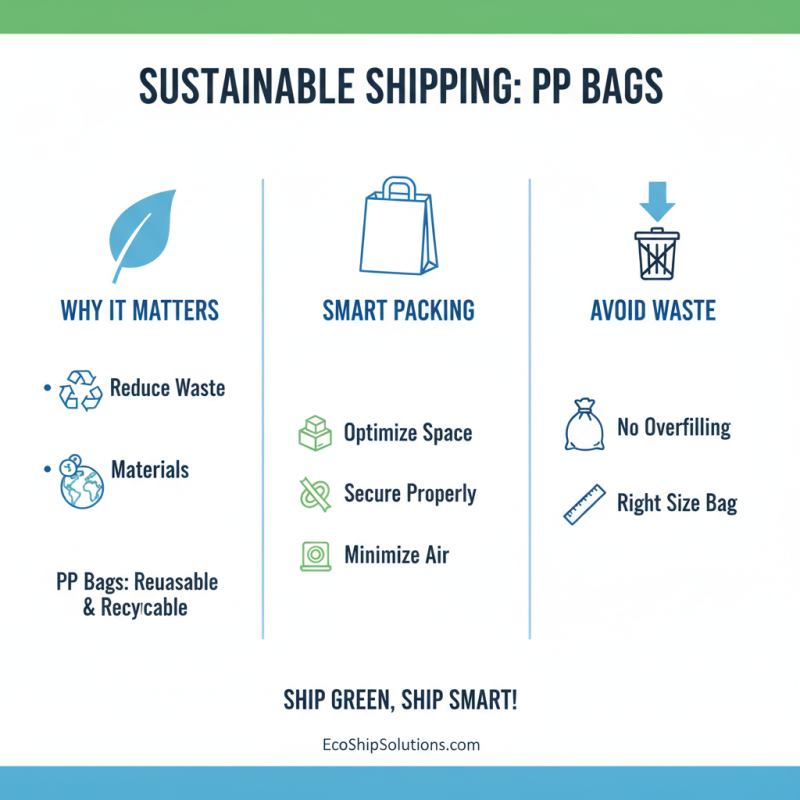
Sustainability is more important than ever in shipping. Using PP bags can reduce waste and save materials. However, improper packing can lead to excess waste. Here are some tips to pack efficiently while being environmentally conscious.

One effective technique is to use the right size of PP bags. Avoid oversized bags that create unnecessary empty space. This not only wastes material but also requires more shipping space. Focus on using smaller bags that fit the items snugly. This method ensures you save both on materials and transportation costs.

Also, consider reusing PP bags whenever possible. Instead of discarding them, you can repurpose bags for storage or other shipping needs. Cleaning and sealing old bags can further extend their lifespan. However, remember that they do wear out. Assess the bags for any damage or tears before repurposing.

Lastly, while you pack, think about air displacement. Removing excess air from bags can greatly reduce their volume. This step may seem minor, but it can lead to significant savings in shipping space. Reflection on these packing methods can enhance not only sustainability but also efficiency in your shipping process.