What is a Stand Up Pouch Bag Benefits and Uses?
In the rapidly evolving packaging industry, the Stand Up Pouch Bag has emerged as a leading solution for many businesses. According to industry expert Dr. Emily Carter, “Stand Up Pouch Bags offer unmatched convenience and sustainability.” Her insight highlights the growing trend towards eco-friendly packaging options.
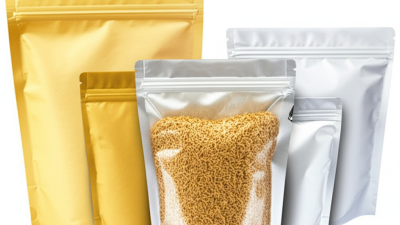
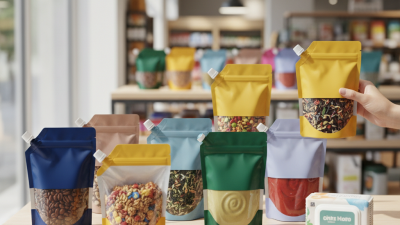
These versatile bags are designed to stand upright, making them ideal for retail displays. They come in various materials, ensuring both durability and visual appeal. Businesses appreciate how a Stand Up Pouch Bag enhances product visibility while providing practical features such as resealable openings. This design not only attracts customers but also offers functionality that traditional packaging often lacks.
However, it's important to consider that while they present clear advantages, not all products are suited for this type of packaging. The choice of materials and proper sealing techniques plays a crucial role in maintaining product integrity. This complexity underscores the need for careful selection and design when adopting Stand Up Pouch Bags for diverse applications.
Definition of Stand Up Pouch Bag and Its Features
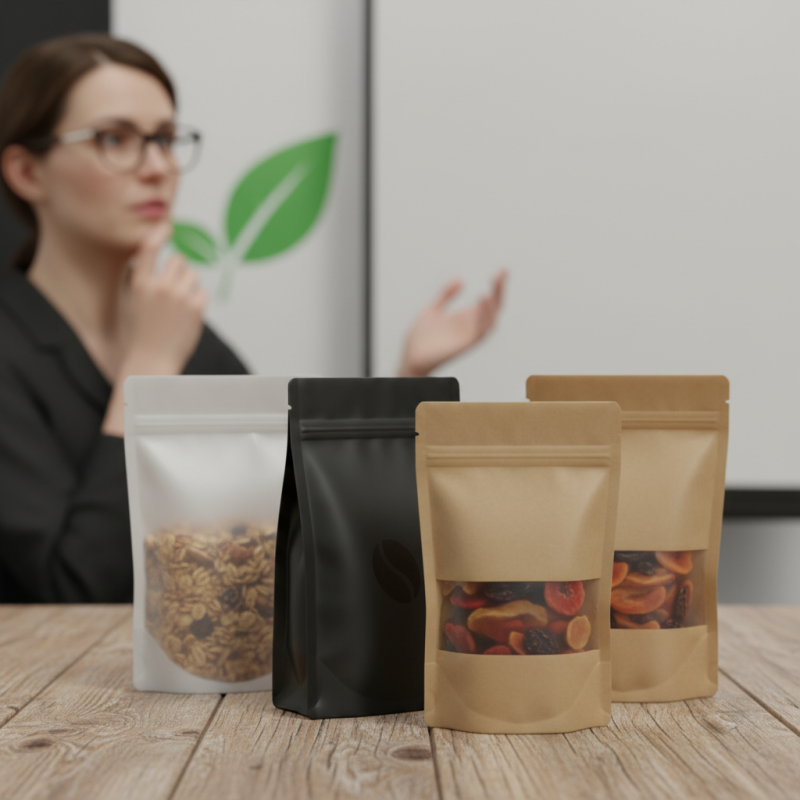
Stand up pouch bags have gained popularity in packaging due to their unique features and benefits. These bags can stand upright on shelves, promoting easy display and storage. Their flexible design allows for various sizes and shapes. The material used typically includes a combination of plastic and foil, which makes them durable and resistant to moisture and air. According to Smithers Pira, the flexible packaging market was valued at $248 billion in 2020 and is expected to grow at a CAGR of 4.9% to reach $300 billion by 2025.
One notable feature of stand up pouch bags is their resealability, which enhances product freshness. This is particularly useful for food items, as a study from the Food Packaging Forum reported that proper packaging helps preserve food quality, extending shelf life by 30%. Moreover, these pouches are lightweight, and their efficient design reduces material use compared to rigid containers. However, it's essential to note that while these bags are convenient, they can be challenging to recycle, which raises concerns in the sustainability conversation.
The visual appeal of stand up pouches influences consumer behavior significantly. A study by Packaging Strategies indicates that 70% of consumers are more likely to buy a product in an eye-catching package. Yet, businesses must consider that not all consumers prefer flexible packaging over traditional methods. This variance in preference presents an opportunity for brands to reflect on their packaging strategies, ensuring alignment with their target audience's values and demands.
Benefits and Uses of Stand Up Pouch Bags
The following chart illustrates the various benefits and uses of stand-up pouch bags in different industries based on research data. The data shows the percentage of usage in each industry, demonstrating how versatile and efficient stand-up pouches can be.
Advantages of Using Stand Up Pouch Bags for Packaging
Stand up pouch bags have gained popularity in recent years for various packaging needs. They provide a unique way to present products while maintaining freshness. One significant advantage is their ability to stand upright on shelves. This feature makes them visually appealing and easy to display.
The material used for stand up pouches is often lightweight yet sturdy. This construction reduces shipping costs and minimizes environmental impact. Additionally, these bags can be resealed, which keeps products fresh for longer periods. This is particularly beneficial for food items or products that are sensitive to air exposure.
However, it's important to consider certain limitations. Some customers may be concerned about the recyclability of these pouches. While many are made from recyclable materials, proper disposal can be confusing. Awareness and education on recycling practices are needed. Although stand up pouches offer multiple benefits, it's crucial to address these challenges for broader consumer acceptance.
What is a Stand Up Pouch Bag Benefits and Uses?
| Feature |
Benefit |
Common Uses |
| Reclosable Zipper |
Enhances product freshness and convenience |
Snacks, coffee, and pet foods |
| Lightweight |
Cost-effective shipping and reduced storage costs |
Dry foods, powders, and liquids |
| Stand-Up Design |
Maximizes shelf space and visibility |
Retail food products, personal care items |
| Customizable Printing |
Enhances brand recognition and marketing appeal |
Consumer goods, gourmet foods, and specialty items |
| Barrier Properties |
Prevents moisture, oxygen, and light exposure |
Coffee, teas, and pharmaceuticals |
Common Applications and Industries Utilizing Stand Up Pouch Bags
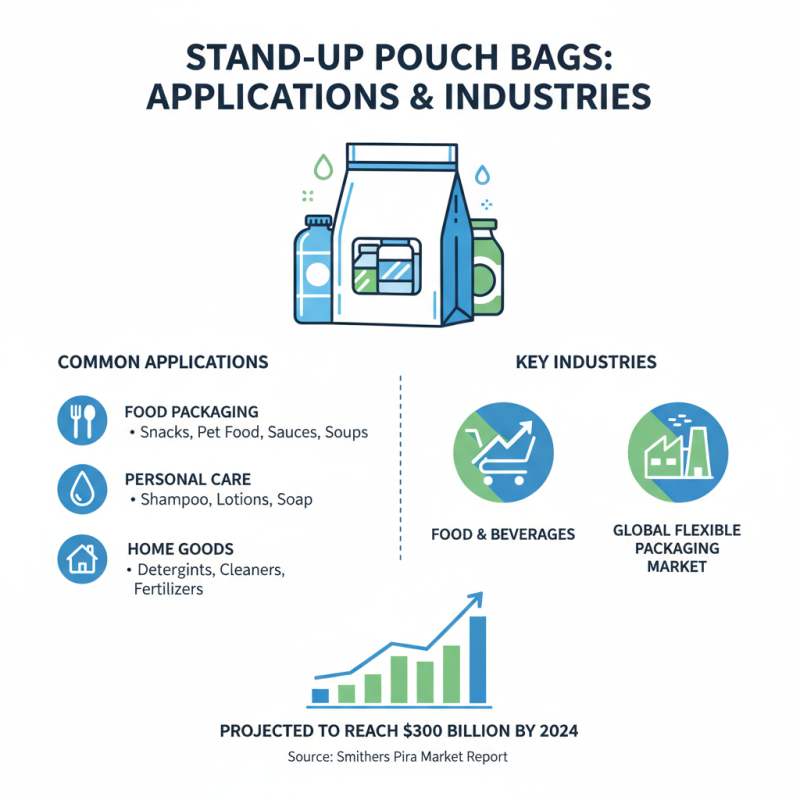
Stand up pouch bags have become popular in various industries due to their versatility and practicality. They are widely used in food packaging, personal care products, and home goods. According to a recent market report by Smithers Pira, the global market for flexible packaging is projected to reach $300 billion by 2024, with stand-up pouches accounting for a significant share. This reflects their growing importance across sectors, especially in food and beverages.
In the food industry, for instance, stand-up pouches provide excellent barrier properties. They protect contents from moisture and light, extending shelf life. Many brands rely on these pouches for snacks, dried fruits, and pet food. The convenience of resealable features attracts consumers, enhancing repeat purchases. Interestingly, while the benefits are evident, some manufacturers still face challenges in ensuring sustainability in pouch production, an area ripe for improvement.
Beyond food, industries like cosmetics and pharmaceuticals also utilize stand-up pouches. These bags are lightweight, reducing shipping costs. However, some users report issues with durability and puncture resistance, prompting a need for innovative design solutions. Additionally, as consumers become more environmentally conscious, brands need to explore eco-friendly materials, ensuring their offerings align with market expectations and sustainability goals.
Comparative Analysis: Stand Up Pouch Bags vs. Traditional Packaging
Stand up pouch bags have gained noticeable popularity in recent years. Their design allows for easy display and convenience. Unlike traditional packaging, they can stand upright on shelves, showcasing the product effectively. This creates an appealing presence that attracts consumers. They are also lightweight, making them cheaper to transport.
However, some may find them less sturdy compared to rigid packaging.
When comparing stand up pouch bags to traditional packaging, several benefits emerge. Pouch bags often use less material than boxes or glass containers. This reduces waste and the overall carbon footprint. They can also be resealable, which enhances product freshness. Traditional packaging may not offer this flexibility.
However, they tend to be perceived as more secure.
Some challenges exist with stand up pouches. Not all products fare well in flexible packaging. Liquids or heavy items can pose problems. It’s essential to evaluate the compatibility of products with pouch bags carefully. Additionally, consumer perceptions of quality often favor traditional packaging. These nuances are worth considering when choosing packaging solutions.
Environmental Impact and Sustainability of Stand Up Pouch Bags
The environmental impact of stand up pouch bags is increasingly significant. These bags are lightweight and designed for efficient use of materials, often leading to a lower carbon footprint. According to a 2022 report by the Flexible Packaging Association, flexible packaging can reduce greenhouse gas emissions by as much as 30% compared to traditional rigid packaging. This statistic highlights the potential benefits of choosing stand up pouches.
Many stand up pouch bags are made from recyclable or biodegradable materials, which can help reduce landfill waste. A study indicated that almost 75% of flexible packaging waste can be recycled, though the current recycling rates remain low. This creates a challenge for brands striving for sustainability. Mindful consumers demand better solutions and improved infrastructure for recycling these bags. Despite their advantages, the industry must address these gaps to enhance sustainability further.
Moreover, the production processes for these pouches often involve less energy compared to rigid counterparts. However, it's essential to consider the complete lifecycle impacts. While production may be more efficient, transportation efficiencies and end-of-life disposal need improvement. Continuous innovation in materials and recycling technologies is crucial for maximizing the environmental benefits of stand up pouch bags. The journey towards true sustainability requires a collective effort from manufacturers, consumers, and policymakers.