2026 Top Flat Bottom Pouch Trends for Global Buyers?
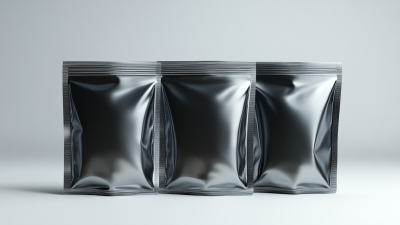
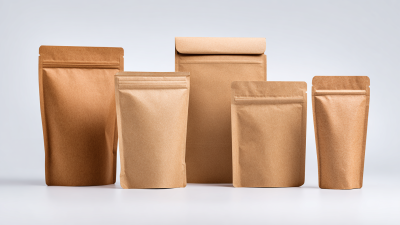
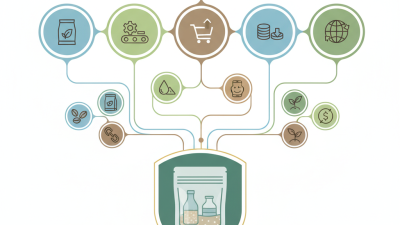
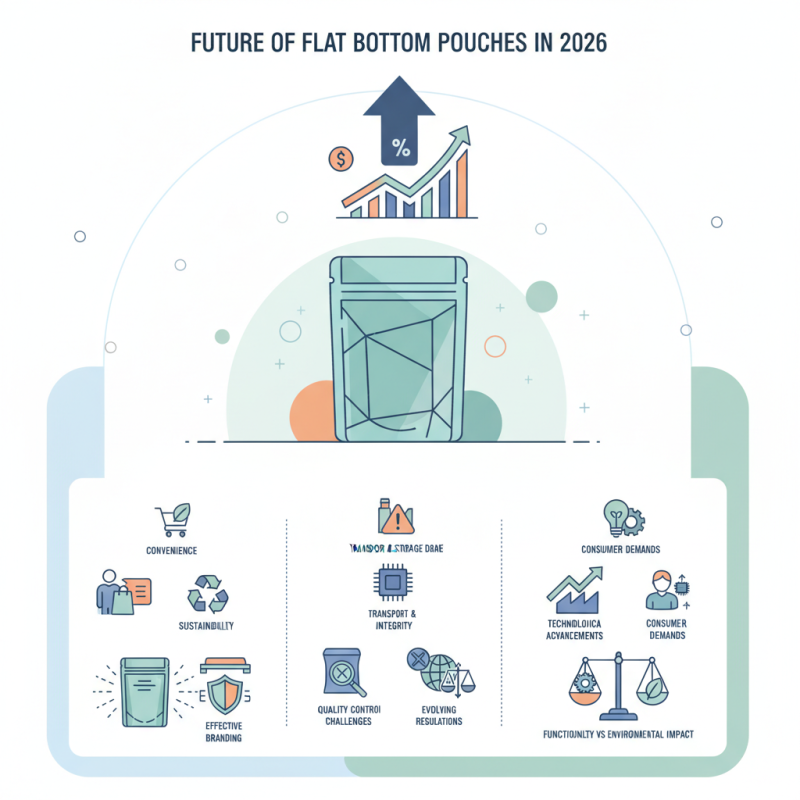
The demand for Flat Bottom Pouches is rapidly increasing in the packaging industry. According to a recent report by Smithers Pira, the flexible packaging market is projected to grow by 4.6% annually, reaching over $250 billion by 2026. This growth can be attributed to the consumer's preference for convenience and sustainability. Flat Bottom Pouches stand out due to their ability to stand upright, offering more shelf presence and effective branding.
Despite their advantages, the production of Flat Bottom Pouches is not without challenges. Manufacturers must ensure that these pouches maintain their integrity during transport and storage. Quality control measures are crucial, as even slight defects can lead to significant losses. Moreover, the evolving regulations in various regions necessitate ongoing adaptation within the industry.
As we look towards 2026, it’s essential to consider the shifts in consumer demands and technological advancements that will shape the production of Flat Bottom Pouches. Companies must be proactive in embracing innovation while reflecting on their practices. The balance between functionality and environmental impact is critical in remaining competitive in this dynamic market.
Emerging Materials in Flat Bottom Pouch Design for 2026
The flat bottom pouch is evolving in design and materials. Sustainable practices are at the forefront as manufacturers experiment with new types of materials. These innovations include biodegradable films and recycled content. These materials not only offer environmental benefits but also reduce carbon footprints in production.
When selecting materials for flat bottom pouches, consider the packaging's functionality. Some materials enhance barrier properties, extending shelf life. For instance, clear biodegradable films are becoming popular. They allow visibility of the product while being eco-friendly.
Tip: Always request samples to test the durability and appearance of new materials. This step can reveal how well they meet your needs. Observe how these materials hold up under different conditions.
Using innovative materials in packaging can bring challenges. Not all materials are suitable for all products. Reassess your choices consistently. Reflect on both performance and consumer response. A balance of sustainability and functionality is essential for success.
Sustainable Practices Shaping Flat Bottom Pouch Manufacturing Trends
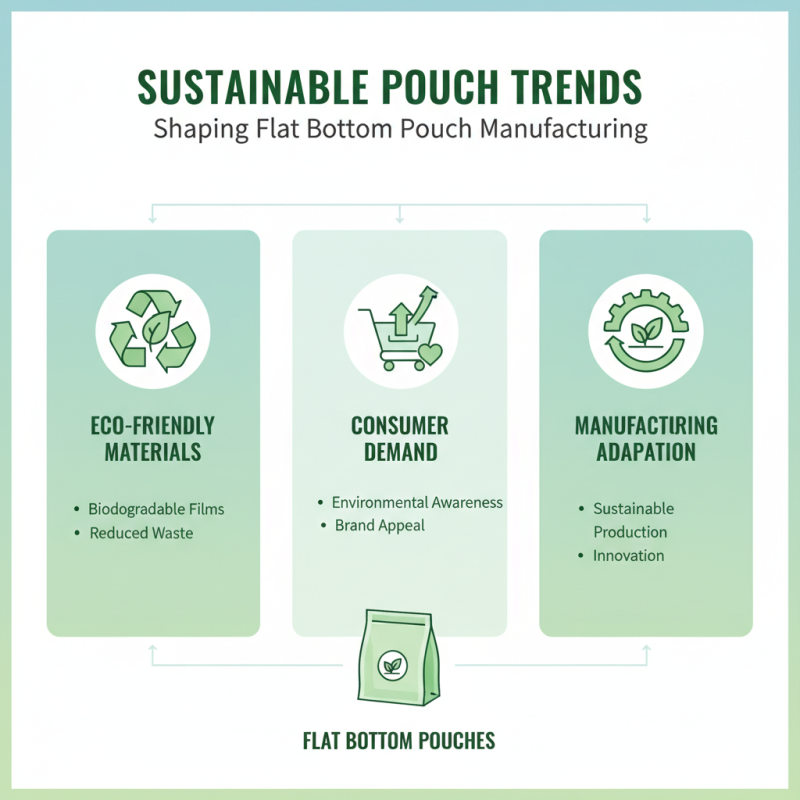
The demand for flat bottom pouches is evolving rapidly. As consumers become more environmentally conscious, manufacturers are adapting. Sustainable practices are now at the core of pouch production. Eco-friendly materials, like biodegradable films, are gaining traction. These materials not only reduce waste but also enhance the brand's appeal.
Recycling initiatives are a key focus in pouch manufacturing. Many companies are exploring closed-loop systems to reuse materials. This approach can reduce costs and minimize environmental impact. However, the technology and processes needed for recycling can be complex. Some manufacturers struggle to implement these systems effectively.
There are challenges in sourcing sustainable materials. The supply chain can be unpredictable, affecting delivery timelines. Not all sustainable options are cost-effective for every company. Additionally, consumer education is crucial. Many customers are still unaware of what sustainable packaging truly means. There’s a lot of work ahead in bridging this gap.
Innovative Printing Techniques for Enhanced Flat Bottom Pouch Aesthetics
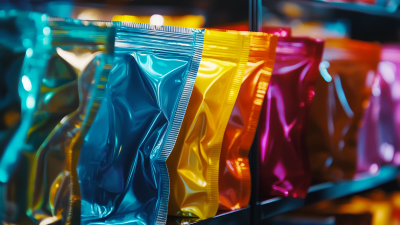
Innovative printing techniques are reshaping the aesthetics of flat bottom pouches. These pouches are popular for their versatility and functionality. However, enhancing their visual appeal is crucial for attracting buyers. One emerging trend is digital printing, which allows for vibrant colors and intricate designs. This method provides brands with the capability to produce stunning graphics that catch the eye.
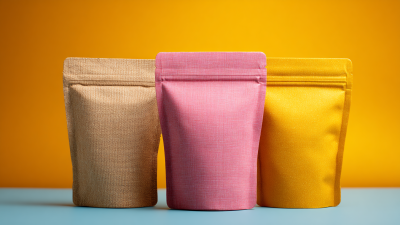
Another exciting technique is textured printing. This adds a tactile dimension to the packaging. Textured finishes can evoke a sense of quality and luxury. Brands can create unique experiences by incorporating embossing, debossing, or spot UV coatings. These features make the pouches memorable and distinguishable on the shelf.
Tips: Always consider your audience when designing pouch aesthetics. Understand what visuals resonate most with them. Additionally, experiment with different finishes before settling on a design. Photorealistic designs can stand out, but simplicity often works better. Balancing creativity with clarity is essential for effective packaging.
2026 Top Flat Bottom Pouch Trends for Global Buyers
| Trend |
Description |
Innovative Technique |
Aesthetic Impact |
| Eco-Friendly Materials |
Increasing demand for sustainable packaging materials. |
Biodegradable and recyclable polymers. |
Improved brand image and consumer trust. |
| Advanced Printing Techniques |
Utilization of digital and 3D printing for customization. |
High-resolution digital printing. |
Enhanced visual appeal and personalization. |
| Smart Packaging |
Integration of NFC technology for interactivity. |
Near Field Communication (NFC) tags. |
Engages consumers through interactive experiences. |
| Minimalist Design |
Focus on clean lines and simplicity in design. |
Less is more approach in graphical elements. |
Modern and sophisticated look. |
| Colorful Patterns |
Bright colors and bold patterns to attract attention. |
High-quality flexographic and gravure printing. |
Vibrancy that reflects product personality. |
Market Insights: Consumer Preferences for Flat Bottom Pouches in 2026
As we look toward 2026, flat bottom pouches are gaining traction in consumer preferences. The flexible packaging market is projected to reach approximately $292.5 billion by 2026, with flat bottom pouches representing a significant portion of this growth. According to a recent report from Research and Markets, these pouches offer not only convenience but also enhanced shelf appeal due to their unique structural design. This design allows for better product visibility and greater stability when displayed on shelves.
Consumer demand for eco-friendly packaging options is driving a shift towards sustainable materials. A study by Smithers Pira noted that 30% of consumers are willing to pay more for sustainable packaging. This trend is reshaping manufacturers' approaches toward materials used for flat bottom pouches. Many are now exploring bioplastics and recycled materials to align with consumer values. However, the challenge lies in balancing sustainability with performance. Not all alternatives maintain the same barrier properties, which may affect freshness and shelf life.
Additionally, the convenience factor is paramount. Busy lifestyles make resealable pouches appealing as they offer ease of use, but they also require careful design. Some consumers have expressed frustrations with poor sealing mechanisms. Maintaining product integrity while ensuring user-friendliness remains a critical focus area for manufacturers. Understanding these consumer preferences will be vital for businesses aiming to thrive in the evolving packaging landscape.
2026 Consumer Preferences for Flat Bottom Pouches
Global Supply Chain Dynamics Impacting Flat Bottom Pouch Distribution
As the global supply chain continues to evolve, the distribution of flat bottom pouches faces significant challenges. Factors such as transportation issues, raw material shortages, and fluctuating demand patterns require careful navigation. Buyers must stay informed about these dynamics to anticipate changes in availability and pricing.
Tips: Regularly monitor supply chain news. Engage with suppliers frequently. These actions can help avert potential disruptions.
Sustainability is becoming a crucial aspect of the flat bottom pouch market. Buyers should consider eco-friendly materials. However, sourcing sustainable options can lead to higher costs. It requires balancing environmental responsibility with budget constraints.
Understanding regional market conditions is vital. Different areas may experience varying levels of supply chain stress. This unpredictability can affect lead times and costs. Develop a flexible supply strategy to adapt swiftly to these shifts.
Tips: Diversify suppliers across regions. Evaluate alternatives regularly. This approach fosters resilience against sudden supply challenges.