In the dynamic world of packaging, polythene bags play a vital role. As one of the leading suppliers in China, this industry presents numerous opportunities for businesses. Dr. Linda Chen, a renowned expert in sustainable packaging, once said, “The future of polythene bags lies in innovation and sustainability.” This statement underscores the challenges and potential within this sector.
China's polythene bags market is vast. It has both established players and emerging companies. Quality assurance and environmental concerns are at the forefront. While many suppliers successfully meet these demands, some still struggle with regulations and consumer expectations. The journey toward eco-friendly alternatives can be daunting.
As industry standards evolve, companies must adapt. There is a growing demand for biodegradable options. Some firms are ahead, but others lag behind. Innovation is essential for survival. Evaluating the top suppliers allows businesses to make informed decisions. Understanding their strengths and weaknesses is crucial for navigating this competitive landscape.
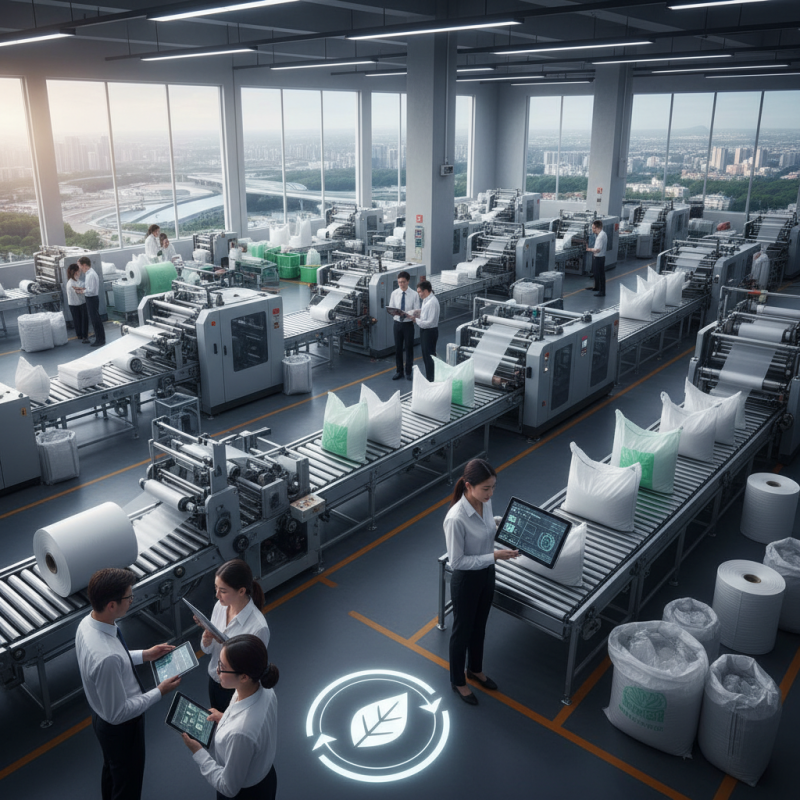
The polythene bag industry in China is vast and ever-evolving. Over the years, demand for these bags has surged, driven by retail and packaging needs. Many businesses rely on polythene bags for their lightweight and durable properties. The market's growth brings opportunities, yet it also poses challenges.
As the industry expands, sustainability concerns are rising. Many consumers are questioning the environmental impact of plastic bags. Some companies are responding by exploring eco-friendly alternatives. However, progress is inconsistent across the supply chain. Not all manufacturers are adopting greener practices. This creates a gap between demand for sustainable solutions and the reality in production.
Quality control remains a persistent issue too. Some suppliers struggle to maintain consistent standards, affecting the end product. Buyers must navigate this landscape carefully. They should evaluate suppliers on their reliability and practices. Investing time in finding reputable partners can mitigate risks associated with poor-quality products.
| Supplier Rank | Annual Revenue (Million USD) | Production Capacity (Tons/Year) | Main Product Type | Export Markets |
|---|---|---|---|---|
| 1 | 150 | 5000 | Shopping Bags | USA, Europe, Asia |
| 2 | 120 | 6000 | Garbage Bags | Europe, Australia |
| 3 | 100 | 4500 | Biodegradable Bags | USA, Canada |
| 4 | 85 | 3000 | Heavy Duty Bags | Asia, Africa |
| 5 | 70 | 2000 | Custom Print Bags | Global |
| 6 | 60 | 3500 | Medical Bags | Middle East, Asia |
| 7 | 55 | 1500 | Food Storage Bags | Europe, Southeast Asia |
| 8 | 50 | 1300 | Recyclable Bags | North America, Europe |
| 9 | 45 | 1000 | Promotional Bags | Worldwide |
| 10 | 40 | 800 | Fashion Bags | Asia, Europe |
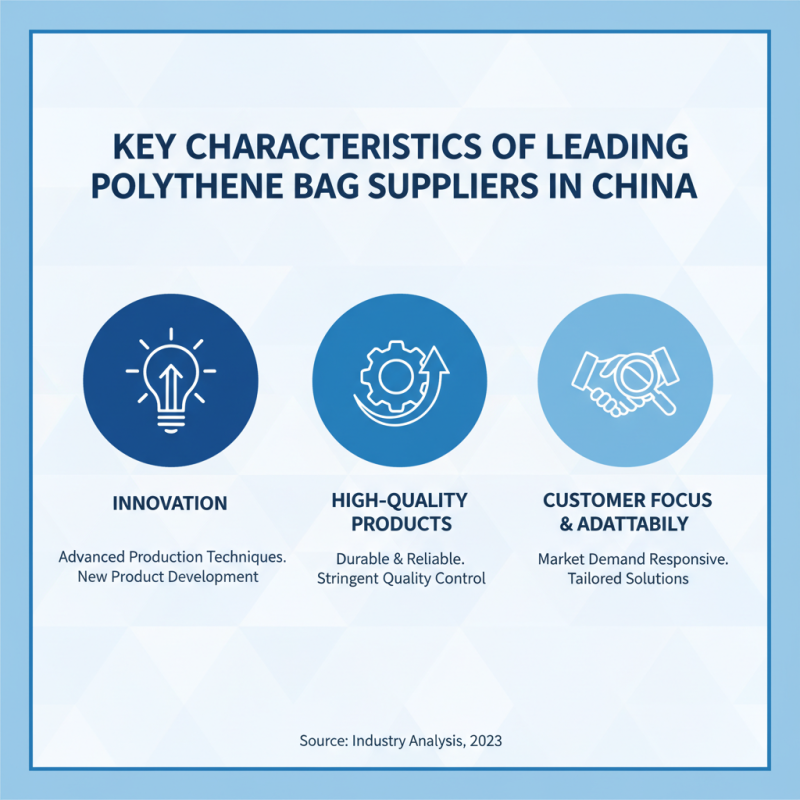
When exploring the landscape of polythene bag suppliers in China, it’s crucial to identify key characteristics that separate the top contenders from the rest. Leading suppliers often showcase their ability to innovate. They incorporate advanced production techniques, ensuring high-quality products. These suppliers frequently adapt their offerings to meet changing market demands, displaying a commitment to customer satisfaction.
Another important factor is sustainability. A growing number of suppliers are adopting eco-friendly practices. They are increasingly using recyclable materials and energy-efficient processes. Some still struggle with this transition. The challenge often lies in balancing cost and quality. This ongoing journey highlights the importance of continually reassessing business practices.
Reliability is also a hallmark of top polythene bag suppliers. Consistent delivery schedules and responsive customer service set them apart. Many smaller suppliers may promise quick service but fail to deliver. This inconsistency can harm relationships with clients. It’s essential to choose a partner who values trust and dependability in their operations. These nuances define the competitive landscape, shaping the future of polythene bag supply in China.
China's polythene bag market is booming. Many suppliers are emerging, showcasing diverse products and competitive pricing. Analyzing top suppliers can help businesses make informed decisions. Reliable suppliers often emphasize quality control, sustainability, and customer service.
When exploring options, focus on their production capacities. Some suppliers might not meet demands during peak seasons. It's crucial to assess their timelines for order fulfillment. Transparency in communication is vital as well. Suppliers with clear policies are often preferable.
Sustainability is an emerging trend among polythene bag manufacturers. However, some still struggle with eco-friendly practices. Researching a supplier's environmental impact can provide valuable insights. Seek suppliers that share your commitment to reducing waste. Investing time in this analysis can pay off in the long run.
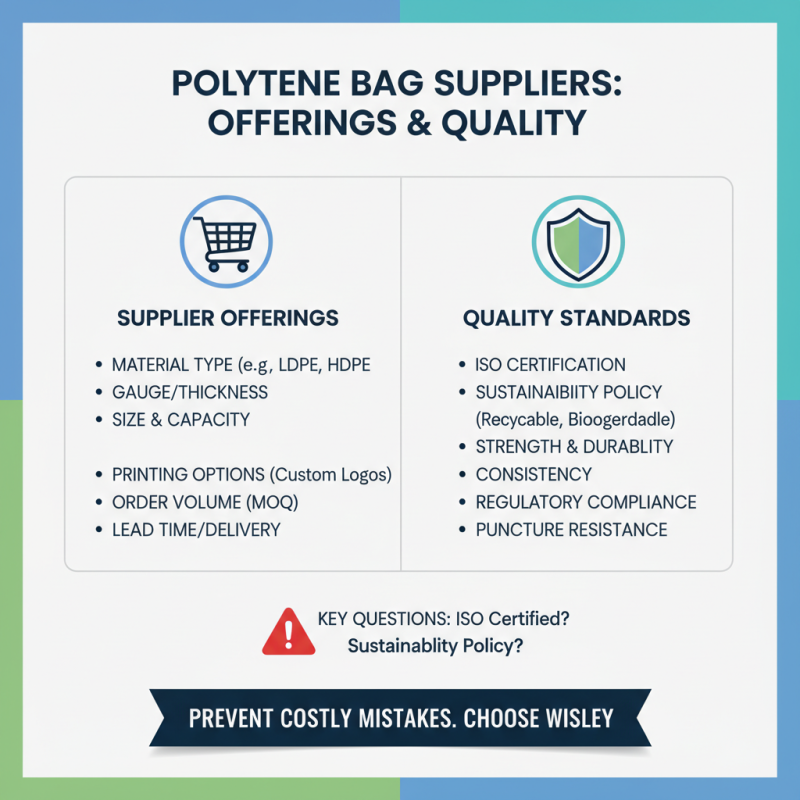
In the competitive landscape of polythene bags, supplier offerings can vary widely. Quality standards are crucial for businesses looking to source materials that meet their needs. Understanding the specifications of each supplier can prevent costly mistakes. Are they ISO certified? Do they have a clear sustainability policy? These are essential questions to ask.
Tip: Always request samples before making bulk purchases. Testing the samples ensures that the bag's durability and strength meet your expectations. Some suppliers may excel in production but lack in quality control.
Pay attention to the environmental impact of the bags you choose. While price is a significant factor, it shouldn't compromise sustainability. Many suppliers offer biodegradable options that may initially cost more. However, they could provide long-term benefits and align with eco-friendly practices.
Tip: Compare suppliers not just on price but on their commitment to quality and ethics. Participating in industry forums or trade shows can help gather insights on the best practices in supply chain ethics.
The polythene bag market is evolving rapidly. Recent reports indicate a steady growth rate of 4.5% annually. The increasing demand for eco-friendly and recycled materials is reshaping the industry's landscape. Consumers are more aware of sustainability issues. This is pushing companies to innovate their product offerings.
The trend towards biodegradable alternatives is noteworthy. Industry analysts predict that biodegradable polythene bags will capture 20% of the market share by 2027. Companies are investing in new technologies. Innovations like plant-based polymers and compostable materials are emerging. However, challenges remain in production costs and consumer acceptance of these new products.
Sustainability is not the only focus area. Efficiency in production processes is essential. Reports highlight that improving machinery can reduce waste by 30% in the manufacturing process. Companies face pressure to balance cost-efficiency with sustainable practices. This creates an ongoing tension that demands attention. The path forward requires a collaborative effort from manufacturers, consumers, and policymakers. Industry leaders must navigate this evolving landscape with agility and foresight.